
Myrcia tomentosa
Myrcia tomentosa
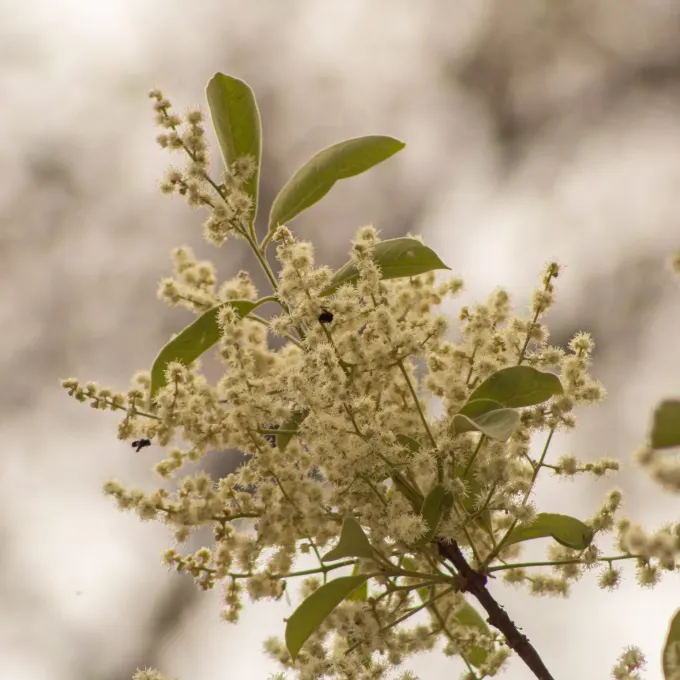
Description
Growing requirements
Myrcia tomentosa is a notable botanical species belonging to the Myrtaceae family. This shrub or small tree is biologically recognized by its tomentose indumentum, a dense covering of fine hairs on the young leaves and stems, which provides adaptation against environmental stress in its native habitats.
The plant is native to the tropical regions of South America, with its distribution centered primarily in Brazil. It has historically occupied various ecological niches, ranging from dense tropical forests to the savanna-like environments of the Cerrado, where it has evolved to thrive in specific moisture regimes.
Cultivation requires well-draining soils with a slightly acidic to neutral pH level. Proper site selection is crucial to ensure the plant receives sufficient sunlight, although initial establishment often requires moderate shade to prevent dehydration during the juvenile stage of plant development.
Regarding climate, Myrcia tomentosa is strictly a tropical species, intolerant of frost and low temperatures. It requires a stable growing season with high humidity and consistent warmth to maintain metabolic activity and ensure successful annual flowering and subsequent fruit set.
The recommended agronomic practices include consistent irrigation during the dry season and the implementation of a balanced fertilization program. Periodic pruning is essential to maintain structural integrity, improve light penetration into the inner canopy, and promote the production of new fruiting wood.
Harvesting
The economic value of Myrcia tomentosa is primarily derived from its fruit, which is highly appreciated for its unique organoleptic profile. These fruits are typically consumed fresh by local populations or processed into juices, jellies, and jams due to their distinct aromatic compounds.
Harvesting should be performed manually when the fruits attain their mature coloration, which usually signifies peak sugar levels. Since the fruit is highly perishable, post-harvest management involves immediate cooling or processing to prevent fermentation and preserve the nutrient content.