
Myrcia stenocarpa
Myrcia stenocarpa
Description
Growing requirements
Myrcia stenocarpa is a member of the Myrtaceae family, comprising evergreen shrubs and trees native to South America. It is highly valued for its botanical diversity and specific fruit-bearing capabilities in tropical and subtropical environments.
The crop thrives in rich, well-draining loamy soils with high organic matter content. It is sensitive to waterlogging, necessitating excellent drainage in both orchard and container cultivation systems to prevent root asphyxiation.
Climate requirements include constant warm temperatures and high relative humidity. While it can survive minor fluctuations, it is strictly non-hardy and requires protection from frost and cold winds in non-native regions.
Agronomic practices involve regular irrigation and the application of balanced fertilizers during the growing season. Pruning is essential for canopy management, allowing light penetration to reach lower branches and fruit clusters.
Host plants are often used in local agroforestry and ornamental gardens. The fruits are sought after for their potential in specialty food markets due to their unique flavor profiles and nutritional properties.
Main diseases and pests
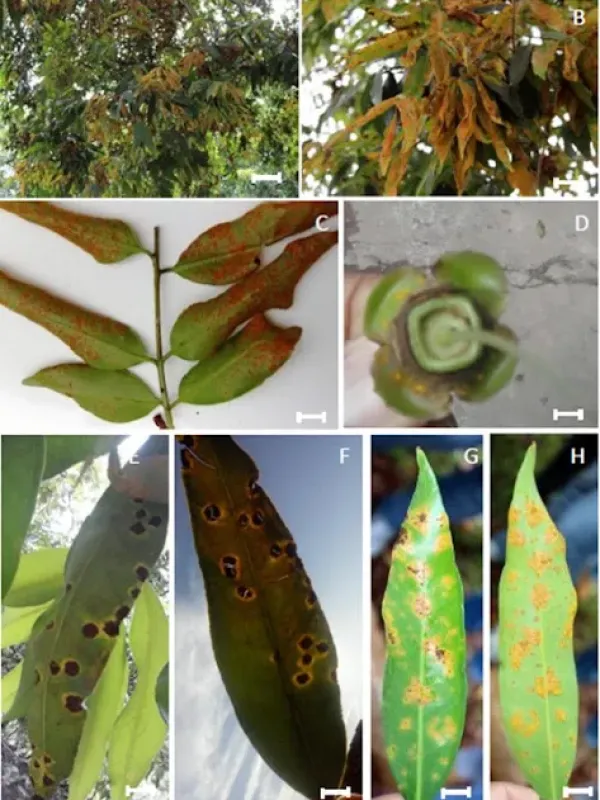
The primary threats include fungal leaf spot diseases which are exacerbated by high stagnant humidity levels. Proper spacing and ventilation are critical to minimize the spread of pathogens within the crop canopy.
Common insect pests include scale insects and spider mites that colonize the undersides of leaves. Integrated pest management strategies are recommended to keep populations below economic injury levels.
Nutrient deficiencies, particularly iron chlorosis, are common if the soil pH is not maintained within the optimal range. Regular soil testing is advised to ensure nutrient availability for the plant.
Root rot caused by Phytophthora species can occur if the growing medium remains overly saturated for extended periods. This is a primary cause of mortality in juvenile stages of development.
Environmental stress, such as intense heat waves without adequate irrigation, can lead to leaf scorching. Providing partial shade during peak sun hours can significantly improve the health and yield of the plant.