
Myrcia splendens
Myrcia splendens
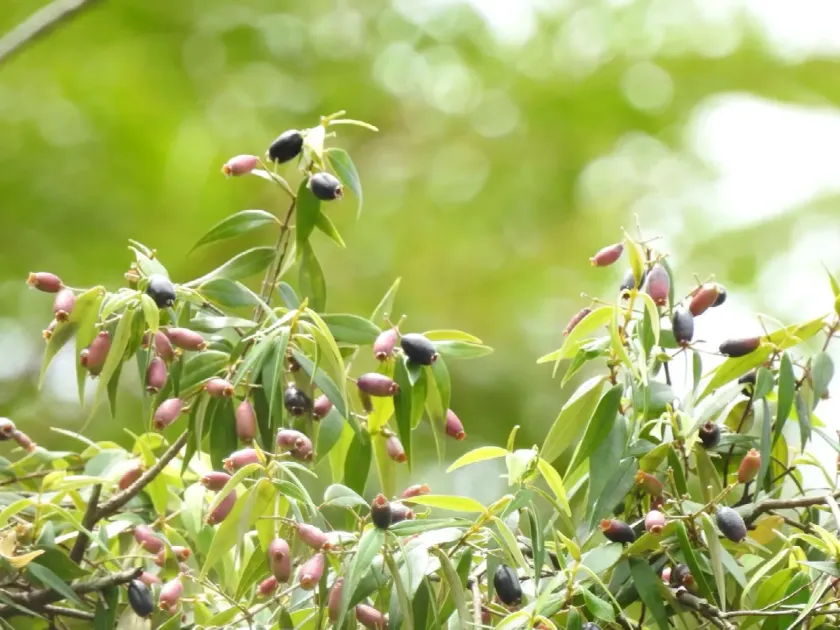
Description
Growing requirements
Myrcia splendens is a notable species within the Myrtaceae family, characterized by its glossy, aromatic foliage and shrubby growth habit. Native to the tropical regions of the Americas, this plant thrives in environments that replicate its natural habitat of high humidity and consistent warmth.
The plant generally prefers well-drained, nutrient-rich soil with a slightly acidic profile. Achieving the right soil structure is critical for preventing root suffocation, which is a common issue when dealing with tropical woody plants in artificial or semi-controlled agricultural environments.
Regarding climate, Myrcia splendens requires stable temperatures, typically between 20 and 30 degrees Celsius. It is highly sensitive to frost; therefore, commercial cultivation is restricted to tropical or subtropical zones where year-round growth is feasible without protective shielding.
Light intensity plays a significant role in the plant's development. While it can tolerate partial shade in its native understory, commercial production benefits from bright, filtered light to encourage the production of secondary metabolites in the leaves.
Watering management should be precise. The soil must remain consistently moist but never waterlogged. Providing adequate ventilation around the foliage is essential to prevent moisture-related issues, ensuring the plant remains healthy and vigorous throughout the season.
Yield
The primary agricultural interest in Myrcia splendens lies in its essential oils, which are harvested from the leaves. These oils have applications in the fragrance, cosmetic, and traditional medicinal industries due to their unique chemical composition.
The yield of biomass is dependent on the management strategy, including the frequency of pruning. Regular pruning helps in maintaining a manageable bush height and promotes the emergence of new, oil-rich vegetative tissue, thereby maximizing overall productivity.
Fruits, although small and often secondary in value, can be used for local consumption. In some regions, they are processed into syrups or preserves, reflecting the traditional knowledge of utilizing the plant's diverse organs for food production.
Post-harvest processing often involves steam distillation for oil extraction or drying for the herbal market. The quality of the final product depends heavily on the timing of the harvest, which is ideally conducted during the peak of vegetative growth before senescence.
Global demand for plant-derived essential oils makes this species a viable option for niche agricultural enterprises. By standardizing harvesting methods and optimizing extraction techniques, producers can improve the economic viability of their plantations.
Main diseases and pests
Pests such as scale insects and spider mites represent the most significant threat to Myrcia splendens. These insects thrive in dry, stagnant air conditions and can quickly lead to foliage disfigurement and reduced plant vitality if left unchecked.
Fungal pathogens are another concern, particularly in areas with poor airflow and high humidity. Leaf spot diseases caused by various fungi can reduce the photosynthetic area, causing significant stress to the plant and potential yield loss.
Root health is paramount, and soil-borne pathogens are a constant risk when the drainage system is compromised. Over-irrigation frequently exacerbates these problems, leading to systemic infections that are often difficult to cure.
Integrated Pest Management (IPM) strategies are highly recommended for the sustainable cultivation of this crop. This includes regular scouting, the use of biocontrol agents, and the application of low-toxicity pesticides when necessary to manage pest outbreaks.
- Maintain good spacing between plants.
- Implement efficient drainage systems.
- Conduct regular manual inspections for pests.
- Sanitize tools regularly to prevent disease spread.
- Promote natural air circulation within the canopy.