
Myrcia spectabilis
Myrcia spectabilis
Description
Growing requirements
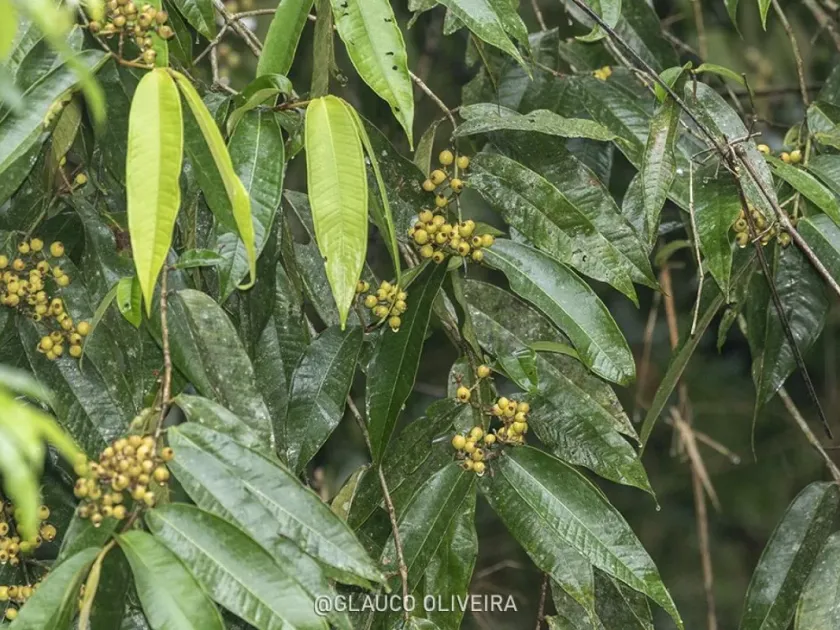
Myrcia spectabilis is a perennial evergreen tree belonging to the Myrtaceae family. Native to the tropical regions of South America, this species is highly valued for its botanical characteristics and potential fruit production.
The plant thrives in tropical climates where temperatures remain consistently warm, typically between 22 and 30 degrees Celsius. It is highly intolerant of frost, requiring protection during cooler periods.
Soil requirements involve well-draining, nutrient-rich substrates with a slightly acidic to neutral pH. Poorly drained soils lead to root rot and other physiological disorders, making soil preparation essential.
Exposure to full sun is ideal for mature specimens to promote vigorous growth and fruit development. However, young plants benefit from partial shade during the hottest part of the day to prevent leaf scorch.
Adequate water supply is crucial, especially during the dry season, while maintaining high atmospheric humidity is beneficial for the overall health and productivity of the tree.
Yield
The primary economic value of Myrcia spectabilis lies in its fruits, which are consumed locally and appreciated for their unique flavor profile and nutritional content.
Fruits are often harvested by hand to ensure minimal damage, as they are relatively delicate and sensitive to rough handling during transportation and storage.
The agricultural potential of this crop includes both fresh consumption and processing into various culinary products, contributing to the local rural economy.
Sustainable fertilization practices, utilizing organic matter, help maintain soil fertility and enhance the yield potential of the trees over time.
The botanical structure of the tree allows for managed pruning, which helps in maintaining an manageable canopy size for easier harvesting and better fruit quality.
Main diseases and pests
Myrcia spectabilis is susceptible to various pests, including scale insects and mites, which can cause significant damage to leaves and young shoots if left unmanaged.
Fungal diseases are a major concern in high-humidity environments. Proper spacing between trees is recommended to facilitate air circulation and reduce the risk of mold growth.
Integrated pest management strategies should focus on preventive measures such as pruning infected branches and promoting natural predators to control harmful insects.
Root rot, caused by excessive soil moisture, remains one of the most significant threats to the long-term survival of the plantation, requiring vigilant water management.
Regular inspections and early detection of symptoms are vital components of a successful agricultural plan to protect the yield from sudden pest or disease outbreaks.