
Muehlenbeckia sagittifolia
Muehlenbeckia sagittifolia
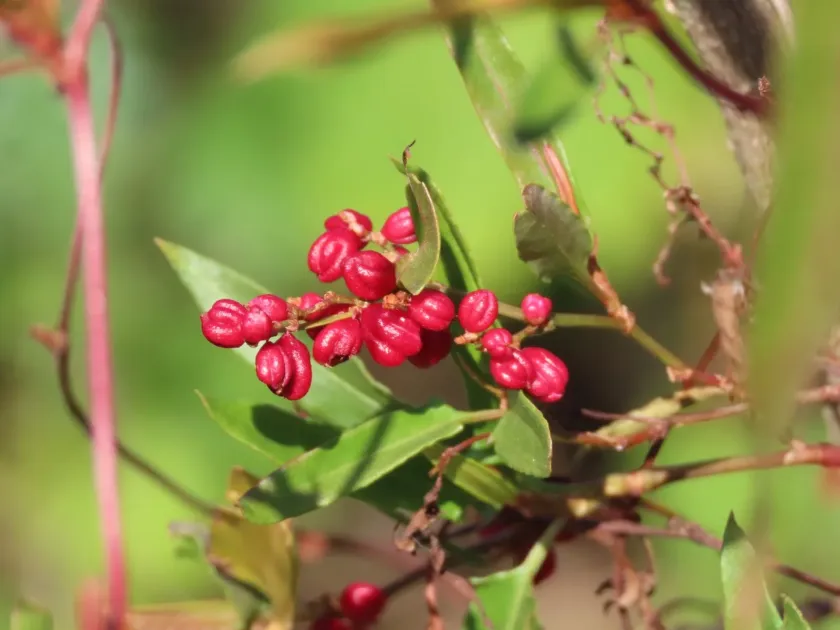
Description
Growing requirements
Muehlenbeckia sagittifolia is a perennial semi-shrub belonging to the Polygonaceae family. It is characterized by its vining growth habit and resilient stems, which allow it to thrive in varied environmental conditions, primarily native to South America.
This species naturally occupies open landscapes, including sandy banks and rocky hillsides, reflecting its high tolerance for less fertile soil types. It is particularly valued in agricultural and landscape contexts for its ability to stabilize soil and prevent erosion.
The plant requires well-drained, porous soil to prevent root rot, which is a major physiological challenge. It performs best under full sun or light shade, though extreme temperature shifts can stress the plant, especially in regions with prolonged freezing winter temperatures.
Agronomic management involves periodic pruning to maintain plant density and stimulate healthy stem development. It requires moderate irrigation, ensuring that the root zone is never waterlogged, particularly in heavy clay soils where drainage might be restricted.
In terms of хозяйственное использование, it is often utilized for green walls, ground cover in erosion-prone areas, and as an ornamental component in diversified cropping systems where vertical space is available for climbing species.
Main diseases and pests
The primary threats to Muehlenbeckia sagittifolia are fungal pathogens, specifically those causing root and crown rots. These diseases are almost exclusively linked to overwatering and inadequate ventilation in the plant's immediate environment.
Insects like spider mites and mealybugs are the most common pests. They thrive in dry, stagnant air conditions and feed on the sap of young stems, which can significantly stunt growth and lead to premature leaf drop if not managed correctly.
Effective management strategies include maintaining proper spacing between plants to enhance air circulation and applying systemic insecticides only when necessary. Integrated pest management (IPM) practices are highly recommended to preserve beneficial insect populations.
Environmental stress, including high humidity combined with poor airflow, often serves as a trigger for powdery mildew. Regular inspection of the foliage is essential to detect the early signs of disease and implement corrective measures promptly.
Finally, maintaining the vigor of the plant through appropriate nutrient management helps the crop withstand pest attacks. Soil testing is advised to ensure optimal levels of macronutrients, supporting the plant's inherent natural defenses.