
Moehringia tommasinii
Moehringia tommasinii
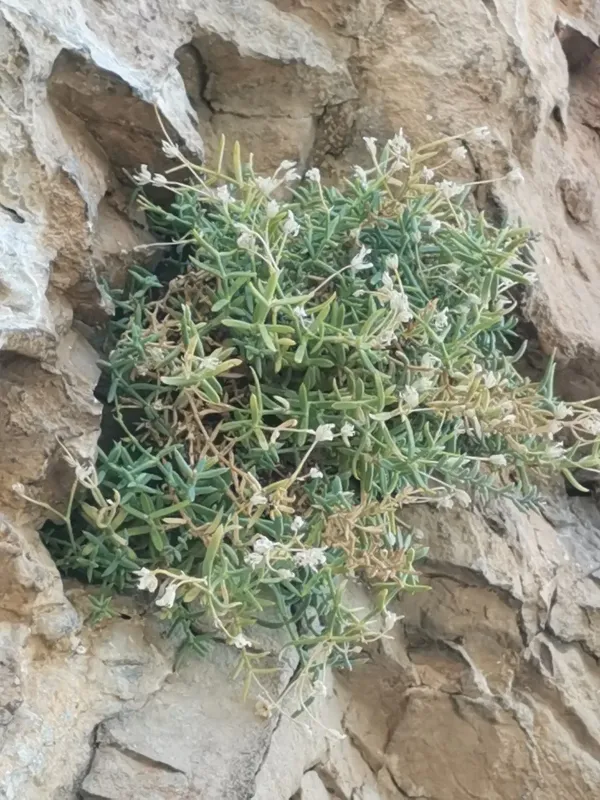
Description
Growing requirements
Moehringia tommasinii is a specialized perennial plant belonging to the Caryophyllaceae family. Its native range is primarily concentrated in the mountainous limestone regions of Southeastern Europe, where it thrives in rocky crevices and exposed stone substrates.
The culture requires excellent soil drainage, as its root system is highly sensitive to waterlogging. It performs best in neutral to alkaline soils, mirroring the mineral content of its natural high-altitude environment, which is typically low in organic matter.
In terms of climatic requirements, this plant prefers cool, airy conditions with sufficient sunlight. It is remarkably winter-hardy, adapted to endure the harsh conditions of its alpine home, but it does not tolerate high humidity combined with stagnant soil moisture.
Botanically, the plant is characterized by a low, spreading growth habit, forming dense cushions or mats of small, opposite leaves. This structure is an evolutionary adaptation that protects the plant from wind and extreme temperature fluctuations in mountainous areas.
Agriculturally and horticulturally, Moehringia tommasinii is utilized almost exclusively for specialized gardening, such as rockeries, scree gardens, and botanical collections. Its slow growth and compact form make it a prized specimen for collectors of alpine flora.
Main diseases and pests
The primary threat to the health of Moehringia tommasinii is root decay caused by inadequate drainage. Ensuring that the crown of the plant stays dry during winter months is essential to prevent fungal rot and eventual plant loss.
Pests such as snails and slugs are known to feed on the foliage of this delicate perennial. Gardeners should implement preventative measures, such as gravel mulching, which can act as a physical deterrent and keep the leaves away from wet soil.
Diseases like powdery mildew or various leaf spots may occur in environments with poor air circulation or excessive shade. Proper spacing and placement in an open, sunny location are the best strategies to maintain the plant's overall health and vigor.
Over-fertilization is a common mistake that negatively impacts the resilience of the species. Since the plant is adapted to nutrient-poor soils, excessive nitrogen will lead to rapid, weak growth that is more susceptible to environmental stress and pathogens.
Invasive weeds pose a significant risk due to the plant's slow growth rate. Without diligent weeding, more vigorous neighboring plants can easily outcompete and shade out this alpine species, leading to its decline in a garden setting.