
Moehringia insubrica
Moehringia insubrica
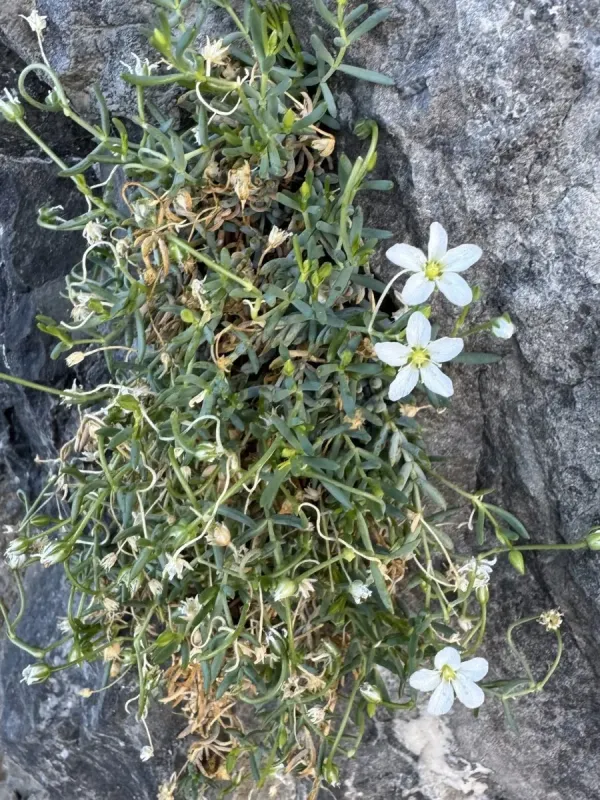
Description
Sowing dates
Moehringia insubrica belongs to the Caryophyllaceae family and is a rare alpine species. Seed propagation is the primary natural method of reproduction, occurring during the spring season when temperatures stabilize in high-altitude environments.
In cultivation, seeds should be sown on the surface of a light, well-draining substrate, as they require light to germinate. It is recommended to sow them in late autumn for winter stratification, which significantly improves the germination rate in the following spring.
The germination period requires a consistent temperature between 15 and 18 degrees Celsius. Careful moisture management is essential; the soil should be damp but never saturated, as the seeds and fragile sprouts are prone to rot.
Growth during the first year is notably slow, focusing on establishing a small basal rosette. Providing a semi-shaded environment during the first months of growth helps protect the delicate seedlings from extreme heat and dehydration.
Vegetative propagation via cuttings is possible in late summer, though it requires specific professional techniques, including the use of rooting hormones and controlled humidity levels to ensure successful root development.
Growing requirements
Moehringia insubrica thrives in environments that mimic its natural alpine habitat. The soil must be gritty, rocky, or sandy, with a neutral to slightly alkaline pH, ensuring maximum drainage for the root system.
Water stagnation is the primary cause of failure for this species. To maintain healthy plants, it is crucial to avoid heavy soils and prioritize sites that offer rapid water drainage, such as rock gardens or raised beds with gravel additions.
The plant requires high levels of ambient light but should be protected from the intense heat of direct midday sun. A position that receives morning light and afternoon shade is typically optimal for maintaining the plant's vigor.
This species is well-adapted to nutrient-poor soils. Excessive fertilization, particularly with high nitrogen content, is detrimental and leads to leggy growth, reducing the plant's natural compactness and health.
Good air circulation is vital to prevent moisture accumulation on the foliage, which is a common stress factor. Ensuring the plant is not crowded by other species allows for the necessary ventilation to keep it disease-free.
Main diseases and pests
Root rot, driven by excessive moisture and poor soil aeration, is the most significant threat to the survival of Moehringia insubrica. Implementing strict irrigation controls is the best preventive measure against such fungal issues.
Gastropods, including snails and slugs, are frequent pests that target the foliage of this alpine plant. Using physical barriers or non-toxic deterrents around the base of the plant is recommended to prevent significant leaf damage.
Spider mites may pose a risk during periods of extreme heat and prolonged drought. Monitoring the foliage periodically allows for early intervention using targeted acaricides if an infestation occurs.
Fungal leaf spots can occur when the environmental humidity remains too high without proper air movement. If such spots appear, immediate pruning of affected areas and the application of fungicides may be required.
Maintaining the plant's overall vitality through proper site selection and minimal disturbance helps reduce susceptibility to the majority of common horticultural pests and diseases.