
Moehringia ciliata
Moehringia ciliata
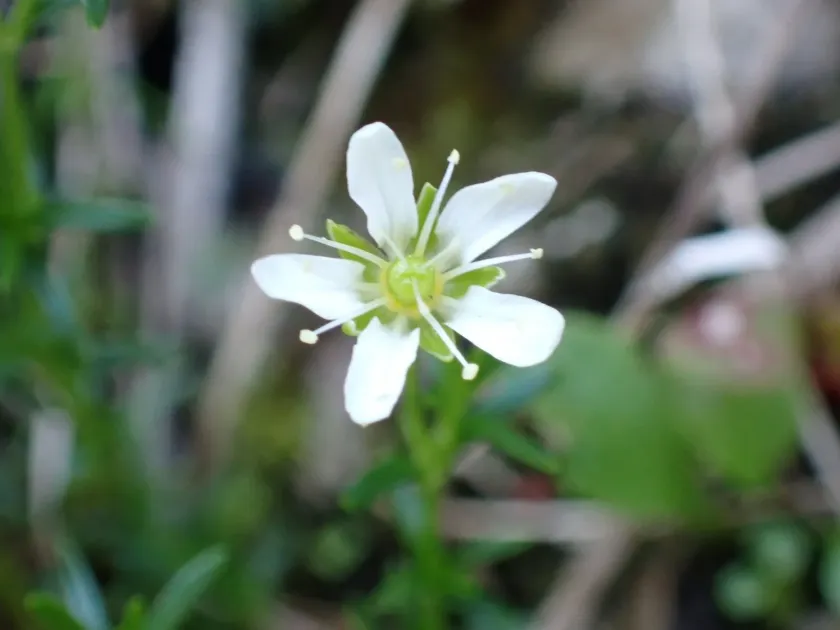
Description
Growing requirements
Moehringia ciliata is a perennial herbaceous plant belonging to the Caryophyllaceae family. It is recognized for its preference for high-altitude limestone terrains and rocky habitats.
The plant exhibits a cushion-forming growth habit, which is a classic adaptation for surviving the harsh, wind-swept conditions of mountainous regions in Europe.
Successful cultivation requires a gritty, highly porous soil mix that mimics its natural scree environment. Excellent drainage is non-negotiable, as the roots are highly susceptible to rot in dense, water-logged soils.
This species thrives in full sunlight, requiring significant daily exposure to light to maintain its structural integrity and compact form. It is best suited for alpine houses, rock gardens, or specialized container gardens.
Maintenance involves providing adequate ventilation to prevent the buildup of humidity around the foliage. During the growing season, a modest moisture level is sufficient, provided the excess water drains away instantly.
Main diseases and pests
The primary threats to Moehringia ciliata are fungal pathogens, specifically those causing crown and root rot due to stagnant water.
Mildew may develop in environments with poor air circulation, particularly in greenhouse conditions or during periods of prolonged high humidity.
Slugs and snails are the most significant pests, often grazing on the dense foliage and potentially damaging the plant's growth center.
It is recommended to use coarse gravel as a top dressing to keep the foliage dry and reduce the likelihood of gastropod infestations.
Monitoring for signs of wilting is essential, as immediate remedial action, such as adjusting irrigation, is required at the first sign of stress.