
Moehringia pendula
Moehringia pendula
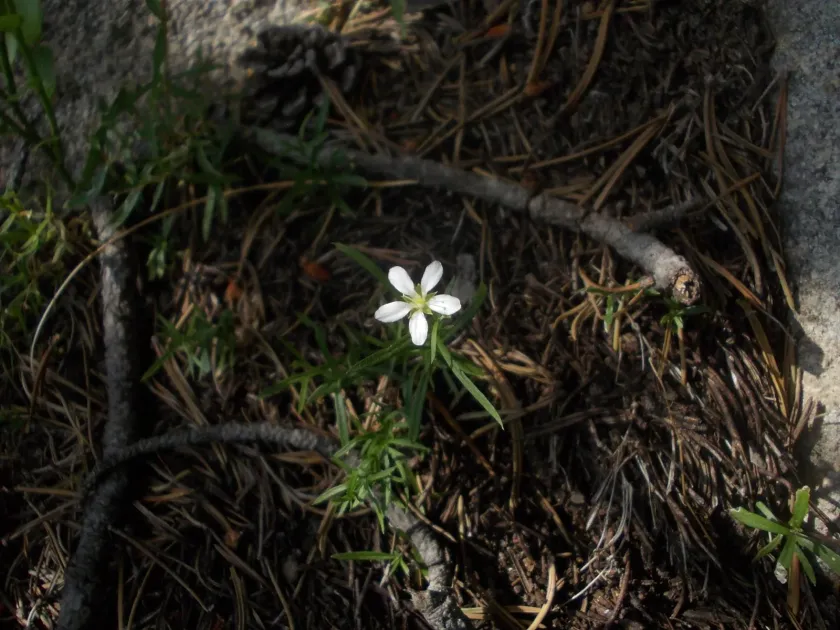
Description
Growing requirements
Moehringia pendula is a perennial herbaceous plant belonging to the Caryophyllaceae family. It is an alpine specialist, primarily native to the mountainous regions of Southern Europe, where it thrives in cool, rocky environments.
The plant is recognized by its delicate, pendulous stems and small, lanceolate leaves, forming low-lying mats or cushions. This structural habit is a specific adaptation to high-altitude terrain where it anchors itself in rock crevices and scree slopes.
Cultivation of this species requires strict adherence to its ecological preferences. It demands well-drained, porous soil with a neutral to slightly alkaline pH, mirroring its natural calcareous habitat. Standard garden soils are usually too heavy and water-retentive for this species.
Climatic needs are significant; the plant thrives in areas with cool, moist air and moderate summer temperatures. High-temperature stress combined with high humidity can be fatal, so positioning in the garden should provide partial shade and excellent airflow.
While not a major commercial crop, Moehringia pendula is highly valued in the horticultural community as a botanical specimen. It is an excellent choice for alpine houses, specialized rock gardens, and troughs where its unique trailing growth can be properly showcased.
Main diseases and pests
The most critical threat to Moehringia pendula is crown rot, which often occurs due to excessive moisture around the base of the plant during the dormant season.
Fungal leaf spot diseases may appear if the plants are situated in areas with poor ventilation or high humidity, necessitating preventative thinning of foliage.
Pests such as aphids and spider mites can occasionally damage the foliage, particularly during dry spells, which require prompt monitoring and treatment.
Slugs and snails present a seasonal risk, especially during periods of wet weather, as they feed on the succulent growth of the young shoots.
Gardeners should prioritize structural health by ensuring the use of grit or gravel mulch to keep the foliage off the damp soil, which significantly reduces the risk of pathogens.