
Moehringia papulosa
Moehringia papulosa
Description
Growing requirements
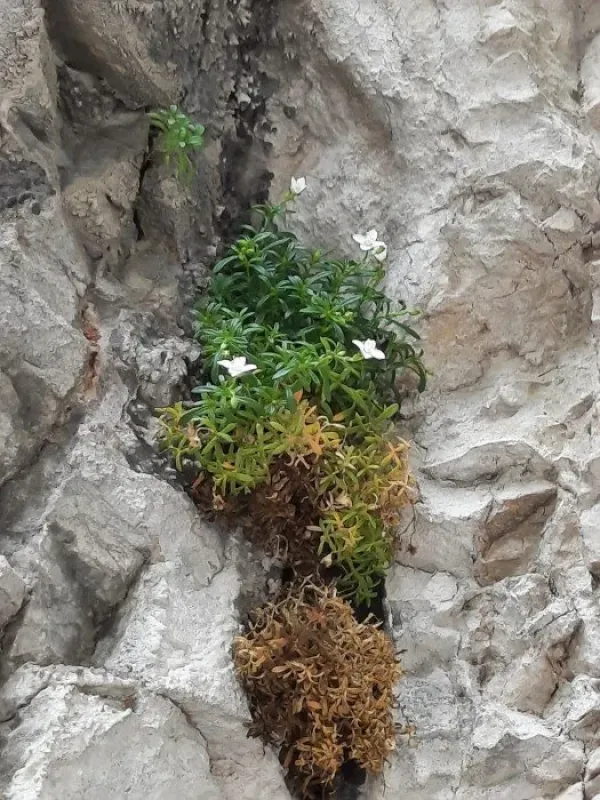
Moehringia papulosa is a distinct species belonging to the Caryophyllaceae family. It is recognized for its specialized ecological niche, typically found in limestone rocky habitats where it demonstrates high adaptation to nutrient-poor but well-drained substrates.
Botanical features include low-growing, resilient growth forms that thrive in crevices and screes. The plant possesses specialized tissues that allow for efficient moisture regulation, which is essential for survival in its native, often dry, mountain environments.
Climate requirements involve cool to moderate temperatures and high light exposure, though protection from intense, scorching mid-day sun is recommended in artificial cultivation settings. Proper ventilation is vital to mimic the airflow of its natural rocky habitat.
Soil requirements are strict: the substrate must be highly mineral-based with a neutral to alkaline pH. Incorporating crushed limestone or gravel into the soil mix is necessary to ensure the structural integrity and drainage required by the root system.
Cultivation practices focus on precise irrigation management. Watering should be done carefully to keep the substrate moist but never waterlogged, as stagnant water poses the greatest threat to the survival of this delicate alpine-type plant.
Main diseases and pests
Fungal diseases, particularly root rot, are the primary threat to the health of Moehringia papulosa. These pathogens often thrive in poorly drained soils or high-humidity environments, leading to rapid deterioration of the root crown and collar.
Pests such as spider mites may infest the foliage, particularly if the surrounding air is kept too dry for long periods. Regular monitoring and misting the surrounding area can help maintain a favorable humidity level while discouraging mite outbreaks.
Slugs and snails can cause significant damage to young leaves and tender shoots during the spring season. Mechanical barriers or eco-friendly deterrents should be used to protect the plants during their most vulnerable growth stages.
Bacterial pathogens can enter through microscopic wounds caused by mechanical damage or pests. Maintaining plant hygiene and removing dead foliage are critical steps in preventing the spread of secondary infections.
Overall plant health is best maintained through consistent monitoring and preventative cultural practices. By ensuring optimal drainage and avoiding excessive crowding, growers can significantly reduce the pressure from both diseases and common garden pests.