
Hybrid monkeyflower
Mimulus x hybridus hort. ex Voss
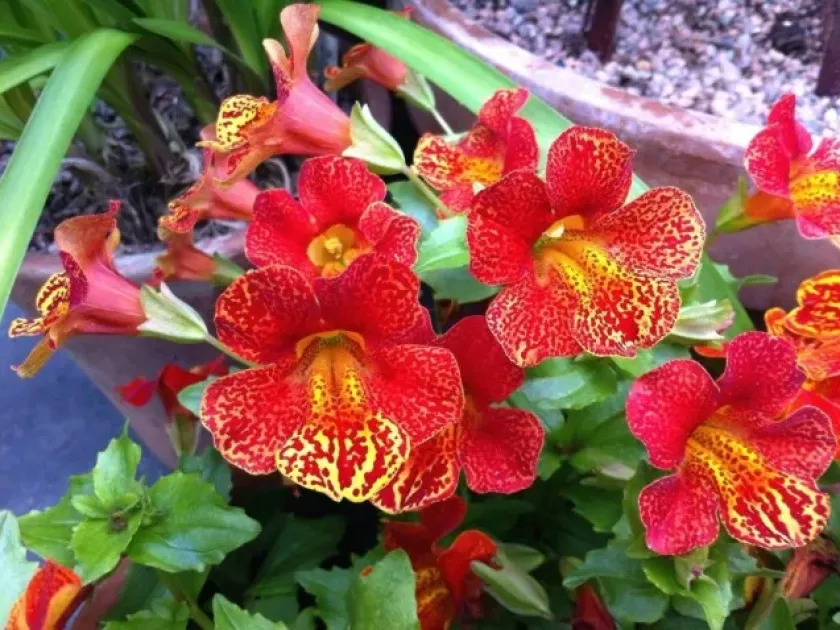
Description
Sowing dates
The sowing of Mimulus x hybridus for seedlings is conducted from late March to early April. The seeds are extremely small, so they must be sown on the soil surface without covering, as they require light to germinate.
To ensure successful germination, the containers are covered with glass or clear plastic, keeping the temperature between 18 and 20 degrees Celsius. Seedlings typically emerge within 10 to 14 days.
Pricking out the seedlings occurs after the formation of the second pair of true leaves. This procedure encourages robust root system development and prevents the plants from becoming leggy.
The hardened seedlings are transplanted into the open ground in late May after the danger of frost has passed. A planting distance of 15–20 centimeters is recommended for optimal growth.
Direct sowing in warmer regions is possible, but container-grown seedlings generally produce more reliable results for a prolonged blooming period.
Growing requirements
The hybrid monkeyflower, belonging to the Phrymaceae family, is a decorative plant resulting from breeding programs. It thrives best in partial shade, sheltered from intense, direct sunlight which can scorch the foliage.
The soil must be fertile, moisture-retentive, and possess good drainage. A slightly acidic to neutral pH is ideal for maintaining healthy plant growth and vibrant flower coloration.
Watering is the most critical aspect of cultivation. The soil should remain consistently moist; however, waterlogging must be avoided to prevent root rot and physiological stress.
Regular fertilization with liquid balanced minerals during the active growing season supports continuous flowering. Adding organic mulch helps retain soil moisture and suppresses competing weeds.
Pinching the growing tips of the stems promotes bushier growth and significantly increases the number of flower buds, resulting in a more spectacular ornamental display.
Main diseases and pests
Powdery mildew is the most common fungal disease affecting Mimulus x hybridus, especially in conditions of poor air circulation and high humidity.
Botrytis, or gray mold, can infect plants during rainy periods or when water stagnates on the leaves, leading to tissue decay and potential plant loss.
Pests such as aphids and whiteflies frequently target the succulent stems and leaves, extracting sap and weakening the plant's overall vigor.
Slugs and snails can cause significant damage to young plants, particularly in damp garden environments, necessitating manual removal or biological barriers.
Integrated pest management, including regular inspection and proper plant spacing, is essential to mitigate these threats and ensure the health of the cultivation.