
Monkeyflower
Mimulus guttatus Fisch. ex DC.
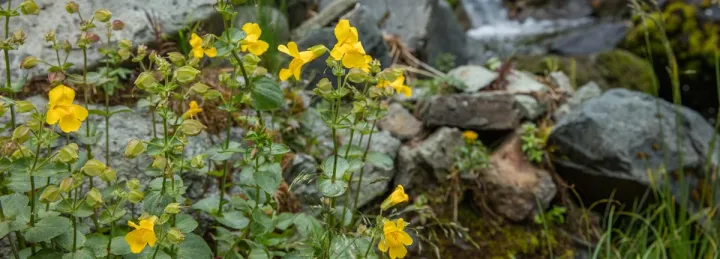
Description
Sowing dates
Sowing Mimulus guttatus seeds is typically done indoors in early spring, specifically in March or April. The seeds are very fine and require surface sowing on moist soil, as they need exposure to light to germinate effectively.
To create a stable microclimate, seed trays should be covered with clear plastic or glass. Maintaining a temperature range of 18–20 degrees Celsius is optimal for uniform and rapid germination.
Seedlings are transferred to the outdoor environment only after the threat of frost has completely passed, which is usually late May in many temperate regions.
When planting in open fields or flower beds, it is crucial to space the plants 20–30 centimeters apart. Proper spacing allows for adequate air circulation, which is essential to prevent foliage diseases.
For container gardening, using a high-quality potting mix with good water-retention properties is recommended. Ensure the pots have adequate drainage holes to prevent root suffocation.
Growing requirements
The monkeyflower is a member of the Phrymaceae family and is famously recognized as a water-loving plant. In its natural habitat, it thrives in moist environments such as streambanks, seeps, and wet meadows.
The crop requires fertile, humus-rich soil that remains consistently moist. While it prefers neutral to slightly acidic pH levels, its primary requirement is protection from drought.
While Mimulus guttatus can grow in full sun, it performs exceptionally well in partial shade, especially in warmer climates where midday heat can cause wilting and damage to the root system.
Consistent irrigation is the cornerstone of its cultivation. The soil should never be allowed to dry out completely, and in some garden designs, it is successfully planted near water features.
Regular fertilization with a balanced liquid fertilizer during the growing season promotes vigorous growth and continuous blooming, enhancing the ornamental value of the plants.
Main diseases and pests
The most common fungal disease affecting the monkeyflower is powdery mildew. This typically develops in crowded plantings with poor air circulation and excessive moisture on the foliage.
Aphids represent the most significant pest threat. These small insects congregate on the undersides of leaves and on stems, extracting sap and causing stunted growth and twisted leaves.
Slugs and snails can also cause significant damage to the plant, particularly in shady, moist environments where the crop is often situated. They tend to feed on foliage and young shoots at night.
Effective pest management involves regular scouting for signs of infestation and the use of appropriate insecticidal soap or systemic treatments if the population becomes unmanageable.
Cultural practices such as removing dead leaves and ensuring plants are not overcrowded are fundamental in reducing the risk of disease outbreaks and creating a hostile environment for pests.