
Hybrid monkeyflower
Mimulus naiandinus J. M. Watson & C. Bohlen x Mimulus cupreus hort. ex Dombrain
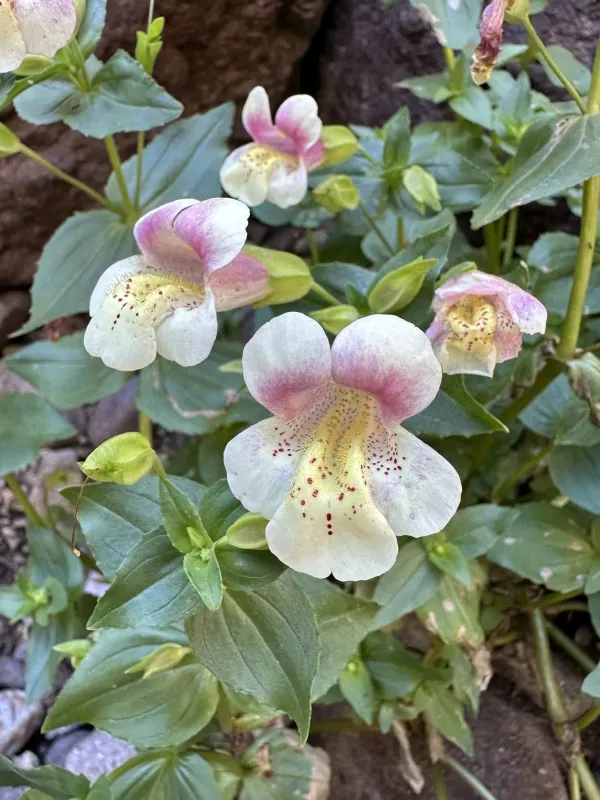
Description
Sowing dates
Sowing seeds of the hybrid monkeyflower is typically done in late winter, around February or March. Given the tiny size of the seeds, they should be scattered on the surface of a moist, sterile growing medium without covering them with soil.
A plastic cover or glass should be placed over the seed trays to maintain humidity until germination occurs, which usually takes about 10 to 14 days at a temperature range of 18–20 degrees Celsius.
Once the seedlings have developed their first true leaves, they should be transplanted into individual pots or cell packs to encourage a strong root system before final planting.
Outdoor planting should occur only after all risks of frost have passed. Gradually hardening off the seedlings over a week is essential for their successful transition to garden beds.
For container gardening, seeds can be sown directly into hanging baskets or pots once night temperatures remain consistently above 10 degrees Celsius.
Growing requirements
The hybrid monkeyflower, belonging to the family Phrymaceae, thrives in locations with partial shade or filtered light. It is an ideal plant for cool, moist environments where direct summer sun might cause wilting.
The soil must be rich in organic matter, fertile, and well-draining, yet capable of retaining sufficient moisture. A slightly acidic to neutral pH level is generally preferred for optimal growth.
Watering is the most critical aspect of maintenance. The root zone must be kept consistently moist; even brief periods of drought can cause the plant to drop its flowers and lose its vigor.
Moderate temperatures are essential. If the plant is exposed to extreme summer heat, it will benefit from mulching to keep the roots cool and regular irrigation to prevent stress.
Regular fertilization with a balanced liquid fertilizer during the blooming season is recommended to support continuous flower production and healthy foliage development.
Main diseases and pests
Powdery mildew is the most common fungal issue for this plant, appearing as a white, dusty layer on the foliage. It occurs primarily when air circulation is poor and humidity levels are too high.
Root rot is a major threat linked to overwatering and inadequate soil drainage. It is important to allow the surface of the soil to barely dry before watering again, though never allowing it to become completely dry.
Aphids are frequent pests that infest the tender new growth and developing buds. They cause deformation of leaves and can transmit viral diseases if not managed promptly.
Whiteflies can be problematic in greenhouse conditions or during warm, still weather, as they feed on the sap and weaken the plant structure significantly.
Slugs and snails can consume young plants overnight, especially in damp garden settings. Protecting the plants with physical barriers or organic baits is often necessary to prevent significant damage.