
Mimulus naiandinus
Mimulus naiandinus J. M. Watson & C. Bohlen
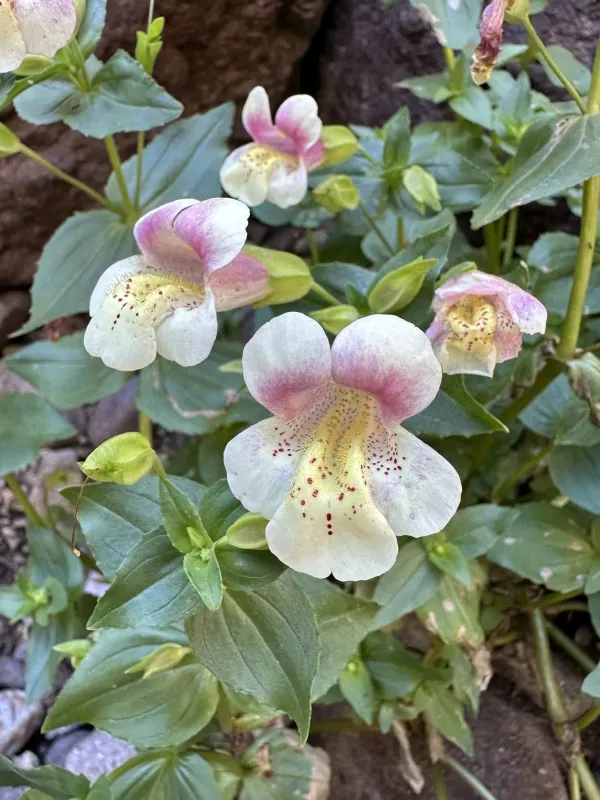
Description
Sowing dates
Mimulus naiandinus requires careful handling of its seeds due to their tiny size. The ideal time for sowing is late winter, ensuring the plants are ready for the season.
Surface sowing is essential as the seeds are photoblastic and need exposure to light to trigger the germination process successfully.
Temperature control is critical during the initial stage. Keeping the seed trays at approximately 18–20 degrees Celsius provides the best environment for sprouting.
Transplanting seedlings should be done with extreme care to avoid damaging the delicate root hairs that develop early in the plant's life cycle.
Hardening off the seedlings is a necessary step before planting them outdoors in the garden, helping them acclimate to outside environmental stress.
Growing requirements
This species belongs to the Phrymaceae family and is native to the high-altitude landscapes of Chile, thriving in cool and misty climates.
The plant performs best in locations that provide partial shade, as intense direct sunlight can rapidly deplete soil moisture and damage delicate foliage.
Soil requirements include a moisture-retentive, organic-rich, and well-draining substrate to replicate its natural environment and prevent root issues.
Consistent watering is required to keep the soil evenly moist. However, drainage must be excellent to prevent the roots from sitting in stagnant water.
Regular fertilization with a balanced, low-nitrogen liquid fertilizer will encourage healthy vegetative growth and prolonged blooming throughout the summer.
Main diseases and pests
Powdery mildew is a common fungal threat, especially when plants are grown in overcrowded conditions with poor air circulation between the stems.
Root rot remains the most significant threat caused by overwatering, which creates anaerobic conditions that quickly lead to plant decay.
Pests such as aphids and spider mites can colonize the plant during hot and dry spells, necessitating prompt intervention to prevent stunted growth.
Effective management includes maintaining clean garden beds, removing dead foliage promptly, and applying horticultural soaps for early pest control.
- Regular monitoring for signs of infestation or fungal growth.
- Providing adequate spacing between individual plants to facilitate airflow.