
Yellow monkeyflower
Mimulus luteus L.
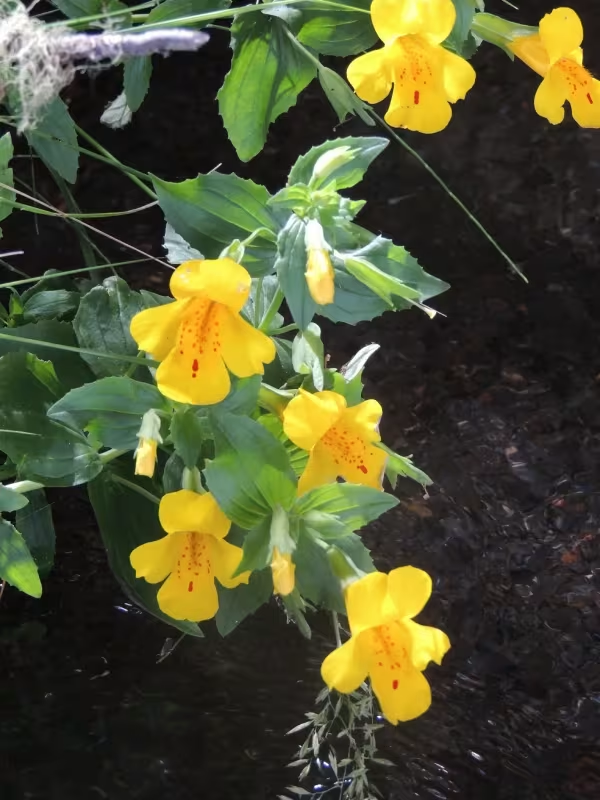
Description
Sowing dates
Sowing seeds of the yellow monkeyflower should begin in early spring, typically around March, indoors to ensure strong seedlings before the season starts.
The seeds are extremely small and light-dependent for germination, so they must be pressed onto the surface of the moist seed-starting mix without covering them with soil.
Maintaining a high humidity level is crucial during the germination period, which is why covering the trays with clear plastic is a standard practice for this crop.
Once the seedlings develop two sets of true leaves, they should be pricked out into individual pots to provide enough space for root development.
Transplanting into the garden is done only after all risks of frost have passed, as the young plants are sensitive to cold temperatures and sudden climatic shifts.
Growing requirements
Mimulus luteus is a member of the Phrymaceae family, known for its vibrant yellow flowers and its specific preference for aquatic or semi-aquatic habitats.
This plant thrives in soils that remain consistently moist, such as those found near stream banks, ponds, or in naturally boggy areas of the landscape.
While it can tolerate some sun, it prefers partial shade, which protects the foliage from burning during intense summer heat and helps maintain soil moisture.
Fertile, humus-rich soil is essential for the plant to reach its full potential, producing a profusion of bright blooms throughout the growing season.
Good air circulation is vital; although the plant loves water, stagnant air around the leaves can encourage the development of various fungal diseases.
Main diseases and pests
Powdery mildew is the most common fungal issue for the yellow monkeyflower, occurring when humidity levels are high and airflow around the plant is insufficient.
Aphids often target the tender new growth and developing flower buds, sucking sap and causing significant stunting of the plant's overall growth and bloom cycle.
Root rot is a major threat in containers or areas with poor drainage, often resulting from a combination of overwatering and lack of soil oxygenation.
Whiteflies can infest the plant, particularly in protected environments like greenhouses, weakening the crop by extracting essential nutrients from the leaves.
Early detection and the application of appropriate horticultural soaps or systemic pesticides are necessary to manage pest populations and keep the plants healthy.