
Cuphea hyssopifolia
Cuphea hyssopifolia Kunth
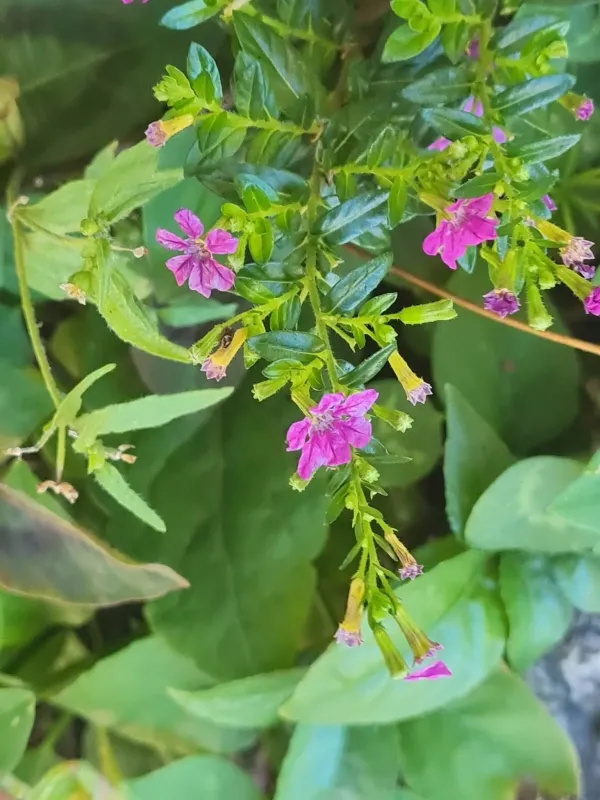
Description
Sowing dates
Cuphea hyssopifolia, commonly known as false heather, is propagated primarily through seeds or softwood cuttings. Sowing is typically performed in late winter or early spring in a light, well-draining substrate.
Seeds should be sown on the soil surface and covered lightly with vermiculite, as light is required for successful germination. Keeping the substrate consistently moist is vital during this phase.
Germination requires a stable temperature between 20–24 degrees Celsius. Using a propagator or covering the seed tray with plastic helps maintain the necessary humidity levels.
Seedlings should be pricked out when the first true leaves appear, providing enough space for each plant to develop a strong root system before being moved to larger pots.
Transplanting into the permanent garden site should occur only after the danger of frost has passed, as the plant is highly sensitive to cold temperatures and frost damage.
Growing requirements
Belonging to the Lythraceae family, Cuphea hyssopifolia originates from Mexico and Guatemala. It is prized for its compact habit and prolific, small, bell-shaped flowers.
This species thrives in sunny locations but benefits from partial shade in regions with extremely hot afternoon sun. Exposure to light is essential for maintaining dense foliage.
The ideal soil is nutrient-rich, fertile, and slightly acidic. Good drainage is non-negotiable to prevent root asphyxiation, especially when the plant is cultivated in pots.
Consistent moisture is preferred, though the plant is somewhat drought-tolerant once established. Regular fertilization with balanced liquid fertilizers promotes continuous flowering cycles.
Pruning is a critical maintenance step for this culture. Regular trimming of terminal shoots encourages bushiness, prevents legginess, and ensures a more aesthetically pleasing plant shape.
Main diseases and pests
Aphids, whiteflies, and spider mites are the most common pests affecting this culture. These insects feed on plant sap and can cause leaf yellowing and stunted growth.
Powdery mildew is the most frequent fungal disease, occurring particularly in high humidity and stagnant air conditions. It appears as a white, powdery dusting on the leaves.
Root rot is typically caused by overwatering or poorly drained containers. Once the roots are compromised, the entire plant often shows symptoms of rapid decline.
Management involves using targeted insecticidal soaps or systemic pesticides for pest control, ensuring that applications are repeated as necessary to break the pest life cycle.
Cultural prevention includes maintaining adequate space between individual plants to improve air circulation and monitoring moisture levels to prevent excessive buildup of soil pathogens.