
Cigar plant
Cuphea ignea A. DC.
Description
Sowing dates
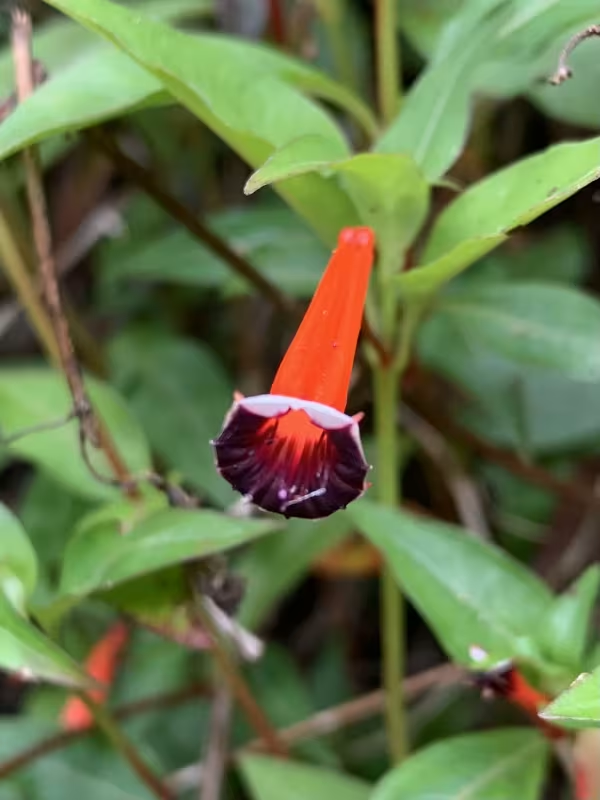
The cigar plant (Cuphea ignea) is a member of the Lythraceae family, known for its unique tubular, cigar-shaped flowers that bloom continuously throughout the summer.
Propagation is commonly achieved through seeds sown in early spring in a propagation tray with a warm, moist, sterile growing medium.
Seedlings require significant light and temperatures of approximately 21°C to thrive and develop strong root systems before being transplanted.
After transplanting, the plants should be gradually acclimated to outdoor conditions to prevent transplant shock, which can delay flowering significantly.
Cultivators often use vegetative propagation through stem cuttings taken in late summer to ensure uniformity in plant size and flowering characteristics.
Growing requirements
This species demands full sun exposure to maintain its vibrant orange-red flower color and a compact growth habit throughout the growing season.
The ideal soil is a well-draining, slightly acidic to neutral loam rich in organic matter to support the rapid metabolic rate of the plant.
Consistent moisture levels are essential; however, the soil must never be waterlogged as this induces root rot and nutrient uptake deficiencies.
The plant is highly sensitive to frost and cold drafts, necessitating protected cultivation environments in regions with temperate climates.
Balanced fertilization using water-soluble fertilizers applied in lower concentrations but with high frequency promotes consistent floral production.
Main diseases and pests
Spider mites are the most prevalent pest, particularly in hot, dry environments where they can rapidly colonize the undersides of the leaves.
Whiteflies can also cause significant damage by extracting sap and producing honeydew, which promotes the growth of sooty mold on the foliage.
Root pathogens such as Pythium species may arise if the irrigation management is inconsistent or if the soil drainage is inadequate.
Effective management includes implementing a robust IPM (Integrated Pest Management) strategy that emphasizes biological controls and preventative hygiene.
Pruning diseased stems and ensuring adequate spacing between plants are crucial steps to improve airflow and reduce humidity around the plant canopy.