
Cuphea linarioides
Cuphea linarioides Cham. & Schltdl.
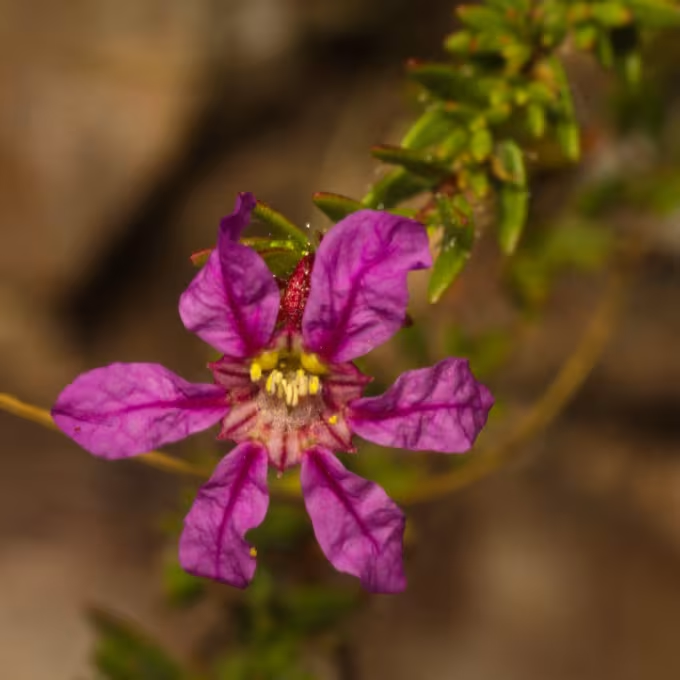
Description
Sowing dates
Sowing Cuphea linarioides requires well-warmed soil, as the seeds are highly sensitive to low temperatures. The optimal planting period begins once the risk of spring frost has completely passed and soil temperatures consistently remain above 15 degrees Celsius for stable germination.
In temperate zones, both direct seeding and transplanting methods are used, though transplanting is preferred for shortening the vegetative cycle. When using direct seeding, it is essential to ensure the seedbed is free from weed competition, as the initial growth stage of Cuphea is relatively slow.
The seeding rate must account for the plant's need for adequate space to develop a robust structure. Seeds should be sown at a shallow depth of approximately 1–2 centimeters, ensuring sufficient soil moisture is maintained to support the emergence of sensitive seedlings during the first two weeks.
Proper field preparation, including the creation of a fine-tilled soil structure, is crucial for success. Modern precision planters are recommended to ensure uniform seed spacing, which helps in maximizing light interception and facilitating subsequent inter-row maintenance operations.
Staggering sowing times can help manage risks associated with unpredictable weather patterns during early growth stages. Well-managed plots allow the plants to utilize the peak sunlight hours effectively, which is vital for achieving high-quality seed production throughout the growing season.
Growing requirements
Cuphea linarioides belongs to the Lythraceae family and is valued for its seeds, which are rich in medium-chain fatty acids. As a plant originating from tropical and subtropical American regions, it requires high thermal input and significant light intensity to complete its reproductive cycle successfully.
The crop thrives in well-drained, fertile soil, ranging from sandy loams to light clays. It is highly intolerant of waterlogged conditions, which lead to root rot and rapid crop failure. Proper field drainage must be established before planting to prevent these moisture-related issues.
Sunlight is the most critical environmental factor for this species; even minor shading can cause spindly growth and significantly reduce flower induction. Consequently, Cuphea should be cultivated in open, unobstructed areas that provide full solar exposure throughout the entire day.
Nutrient management should focus on a balanced NPK ratio, with special attention to phosphorus for optimal flowering. Excessive nitrogen applications are discouraged as they stimulate vegetative growth at the expense of seed yield, potentially delaying maturity and reducing oil quality.
While the plant shows moderate drought tolerance once established, consistent moisture is necessary during the flowering and seed-filling stages. Effective irrigation practices, avoiding direct wetting of the foliage, can significantly enhance overall plant health and increase final seed yield.
Main diseases and pests
Root rot is the most significant threat to Cuphea linarioides, primarily caused by excessive soil moisture and poor drainage. Symptoms include sudden wilting and discoloration of the base, which often signal that damage has already reached an irreversible stage, requiring strict soil management.
Insect pests, including spider mites and whiteflies, frequently target the foliage during warm, dry weather. These pests reduce the photosynthetic capacity of the plants, requiring regular monitoring and integrated pest management strategies to prevent widespread infestation throughout the field.
Powdery mildew is a common fungal threat under conditions of high humidity and poor air circulation within the canopy. This disease appears as a white coating on leaves, and if left untreated, it can cause premature defoliation and a drastic decline in overall plant productivity.
Weeds pose a constant challenge to this crop, especially during the early development phase when the seedlings lack the competitive vigor of established plants. Mechanical cultivation and mulching are standard practices to keep the field clear and ensure resources are available for the crop.
Adopting an integrated approach—combining biological, cultural, and chemical controls—is essential for mitigating these threats. Selecting disease-resistant cultivars and rotating crops effectively helps maintain soil health and minimizes the pressure from various plant pathogens over time.