
Cuphea llavea
Cuphea llavea Lex. var. miniata (Brongn.) Koehne
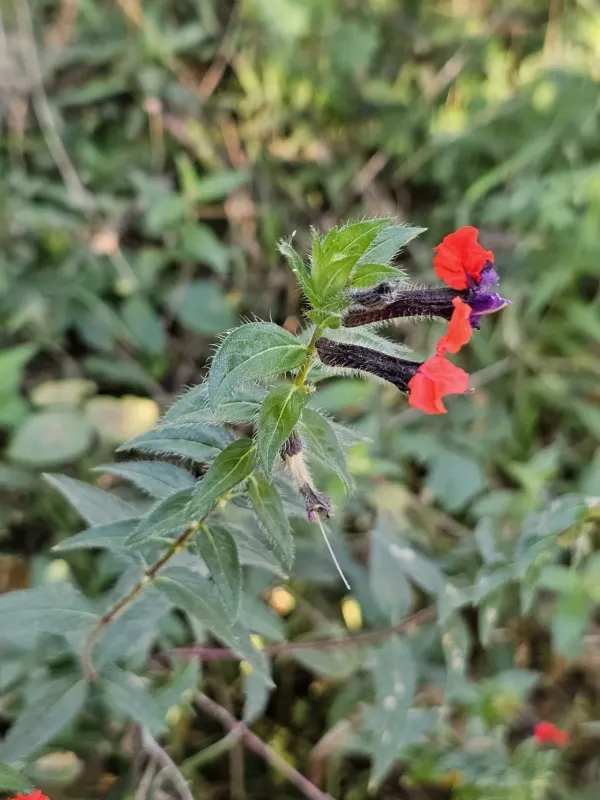
Description
Sowing dates
Seeds of Cuphea llavea should be started indoors in late winter or early spring to ensure the plants are well-established before the arrival of warm weather.
Maintain a constant temperature of 20–22°C to facilitate uniform germination. The seedlings typically emerge within two weeks under proper light and moisture conditions.
Transplant seedlings into individual pots once they develop their first set of true leaves. Using a well-draining, nutrient-rich soil mix is crucial for healthy root development.
Hardening off the plants is a necessary step before transplanting them into the garden. Gradually expose them to outdoor conditions over the course of a week.
Ensure a spacing of at least 30 cm between plants to promote good air circulation, which helps prevent the development of fungal diseases during the growth cycle.
Growing requirements
Cuphea llavea is a member of the Lythraceae family. It is a warm-season perennial often treated as an annual in cooler climates due to its sensitivity to frost.
The plant thrives in full sun exposure. While it tolerates some partial shade, maximum flowering intensity is achieved with at least six to eight hours of direct sunlight.
Well-drained soil is essential for this species. It prefers sandy or loamy textures that hold sufficient moisture without becoming waterlogged for extended periods.
Consistent watering is required during the vegetative phase. While the plant shows some drought tolerance once established, regular irrigation ensures vibrant foliage and blooms.
Fertilizing with a balanced, water-soluble fertilizer every two to three weeks during the growing season significantly enhances the overall health and flower production of the crop.
Main diseases and pests
Whiteflies are a common pest problem, especially in greenhouse environments. They tend to cluster on the undersides of leaves, causing yellowing and stunted growth.
Spider mites can become an issue during hot and dry spells. Regular misting or the use of appropriate acaricides helps to manage these populations effectively.
Root rot is often the result of poor drainage or overwatering. It is critical to ensure that planting containers have adequate drainage holes to prevent moisture accumulation.
Aphids may target the tender terminal growth of the plants. Early detection and the application of insecticidal soaps or systemic treatments can minimize damage.
Implementing integrated pest management practices, such as removing debris and avoiding overhead irrigation, reduces the likelihood of severe infestations and disease outbreaks.