
Cuphea cyanea
Cuphea cyanea DC.
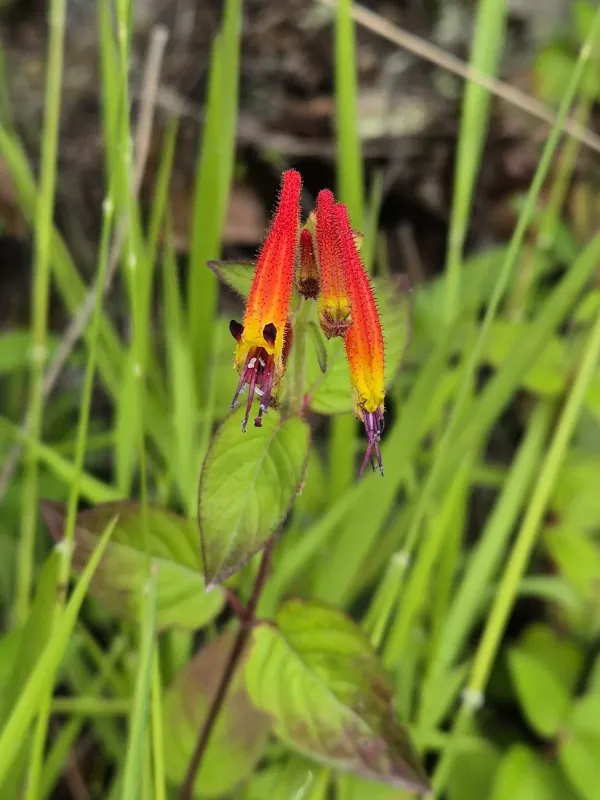
Description
Sowing dates
Seeds of Cuphea cyanea are typically sown in late winter or early spring, generally around February or March, to prepare for the upcoming growing season. Optimal germination occurs at steady temperatures between 20 and 22 degrees Celsius.
Because the seeds require exposure to light for successful germination, they should be sown on the surface of the growing medium without being heavily covered. Covering the containers with glass or plastic helps maintain the high humidity levels necessary for young seedlings.
Pricking out of the seedlings should be performed once the second pair of true leaves has developed. This practice allows for better root establishment in individual pots, ensuring the plants are robust enough before being moved outdoors.
Transplanting into the permanent outdoor location should only take place after all risks of late spring frost have completely passed. Acclimatizing the plants gradually to external conditions before planting significantly improves their survival and growth rates.
Effective spatial management is crucial when planting, as proper spacing ensures good airflow across the foliage. Proper ventilation is an essential preventative measure against the development of moisture-related diseases in the planting area.
Growing requirements
Cuphea cyanea belongs to the Lythraceae family and is a tropical perennial that is frequently grown as an annual in cooler climates. Originating from the mountainous regions of Mexico, it thrives in moderate conditions rather than extreme heat.
The ideal environment for this plant includes bright, indirect sunlight or light partial shade. While it loves warmth, direct exposure to intense midday sun can often lead to scorched leaves, requiring shade management in warmer geographical locations.
The soil must be fertile, airy, and well-drained. Cuphea is particularly sensitive to waterlogging, which can rapidly lead to root decay and the decline of the plant. A high-quality potting mix with added perlite is often recommended.
Soil pH should ideally be neutral or slightly acidic. In agricultural or ornamental settings, maintaining consistent soil quality through organic amendments helps in supporting the vigorous growth of the plant throughout its season.
Regular, consistent watering is required to keep the root zone healthy. While the plant should not be allowed to dry out completely, excess water must be avoided to prevent stress. Monitoring soil moisture is a key task for successful plant care.
Main diseases and pests
The primary pests affecting Cuphea cyanea in greenhouse and garden environments are spider mites and whiteflies. These pests thrive in dry and warm conditions, where they can quickly colonize the plant and sap its nutrients.
In conditions with high humidity and poor circulation, the plant is susceptible to fungal diseases, such as powdery mildew and gray mold. Identifying these issues early is vital for maintaining the health of the entire collection.
Integrated pest management, including the use of targeted insecticides and acaricides, is recommended to keep pest populations under control. Rotating treatments is essential to prevent the development of chemical resistance.
Preventative fungal control is best achieved through careful environmental management. Ensuring plants have enough space and that the soil is not overly saturated minimizes the risk of pathogens finding a foothold on the plant tissue.
- Regular inspection of leaf undersides for early pest detection.
- Sanitary pruning of overcrowded or damaged branches.
- Application of suitable fungicides if early symptoms of infection appear.