
Cuphea procumbens
Cuphea procumbens Ortega
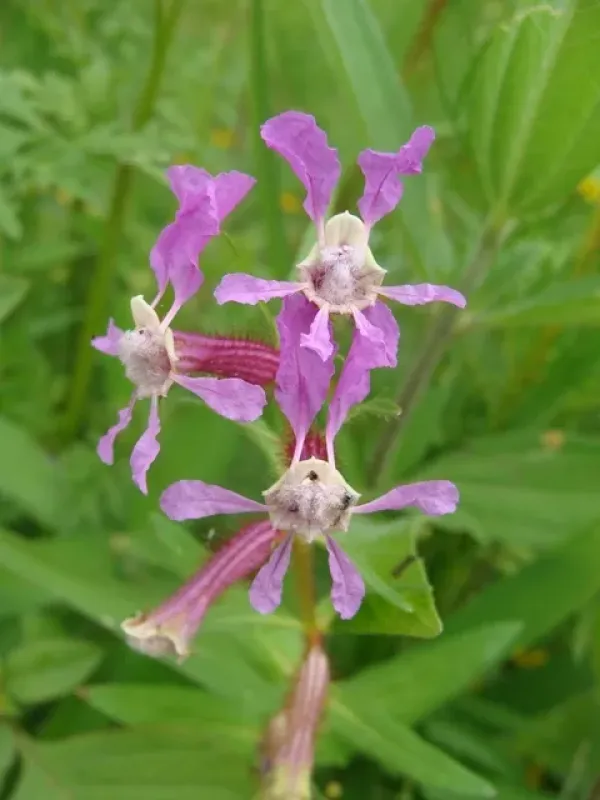
Description
Sowing dates
Cuphea procumbens is a thermophilic plant that requires stable warm temperatures to germinate. Sowing should only begin once the soil has warmed up to at least 15-18 degrees Celsius, and all risks of spring frost have completely passed.
In most temperate regions, the optimal sowing window falls in late May. Early planting is crucial to ensure the crop completes its vegetative cycle and reaches physiological maturity before autumn temperatures drop significantly.
A row-crop seeding method is recommended, with spacing between rows ranging from 45 to 70 centimeters. This provides enough space for the plants to develop lateral branches and allows for efficient mechanical weed control between the rows.
Since the seeds are quite small, they should be sown at a shallow depth of 1-2 centimeters. Achieving a fine soil tilth before sowing is essential to ensure good seed-to-soil contact, which promotes rapid and uniform emergence.
Emergence typically occurs within 10 to 14 days post-sowing. During this phase, it is vital to keep the soil surface moist and avoid the formation of a hard crust, which could physically obstruct the emerging seedlings.
Growing requirements
Cuphea procumbens, a member of the Lythraceae family, is a herbaceous plant native to tropical and subtropical regions of the Americas. Its increasing recognition in agriculture stems from the high concentration of medium-chain fatty acids in its seeds.
The plant performs best in fertile, well-drained loamy or sandy soils with a neutral pH. It is highly intolerant of waterlogged conditions; therefore, fields must be carefully selected to ensure excellent drainage throughout the growing season.
Cuphea requires abundant sunlight and warm conditions to thrive. The ideal temperature range for growth is between 22 and 28 degrees Celsius; prolonged exposure to temperatures below 12 degrees Celsius can severely stunt development.
While mature plants demonstrate decent drought tolerance, adequate moisture is critical during the flowering and seed-setting stages. Erratic irrigation or drought stress during these times can significantly reduce yield potential.
Industrially, the plant is valued for its seed oil, which is a rich source of lauric and capric acids. This makes Cuphea procumbens a sustainable alternative to palm kernel and coconut oil in the production of soaps, detergents, and biofuels.
Main diseases and pests
Aphids are among the primary pests affecting Cuphea plantations. These insects cluster on tender stems and flower buds, sucking sap and weakening the plant, which often leads to poor seed development and decreased overall vigor.
Spider mites can become a severe problem during hot, dry weather conditions. They colonize the undersides of leaves, causing chlorosis and premature leaf drop, which limits the plant's ability to photosynthesize and store energy.
Root rot diseases represent a major threat, particularly in poorly drained soils or during seasons with excessive rainfall. These pathogens attack the root system, causing wilting and eventual plant collapse if not addressed early.
Powdery mildew may develop in humid conditions with poor air circulation. This fungal disease appears as a white dusting on leaves and stems, requiring immediate attention through fungicide application or cultural management practices.
- Practice strict crop rotation to break pest cycles.
- Monitor for aphid and mite populations regularly starting from budding.
- Ensure adequate spacing between plants to improve airflow and reduce humidity.
Harvesting
Harvesting Cuphea is the most technically demanding part of production because the seeds ripen unevenly within the capsules. Timing is critical to balance yield and minimize shattering losses in the field.
Desiccation is frequently used to synchronize ripening across the field. Applying a desiccant when the majority of seed capsules have turned brown allows for a more uniform harvest and significantly reduces mechanical losses.
When using a combine harvester, it is essential to adjust the drum speed and concave clearance carefully. The seeds possess thin, brittle coats and are highly susceptible to mechanical damage, which can lower oil quality and germination rates.
Immediate post-harvest processing is mandatory. Seeds must be cleaned to remove field debris and dried to a moisture content of 10-12 percent to prevent microbial growth and oil degradation caused by excess moisture.
Final storage should be in cool, dry, and dark conditions. Proper storage prevents the oxidation of the high-quality lipids found in the seeds, ensuring the product remains viable for industrial processing purposes.