
Cuphea lanceolata
Cuphea lanceolata W. T. Aiton
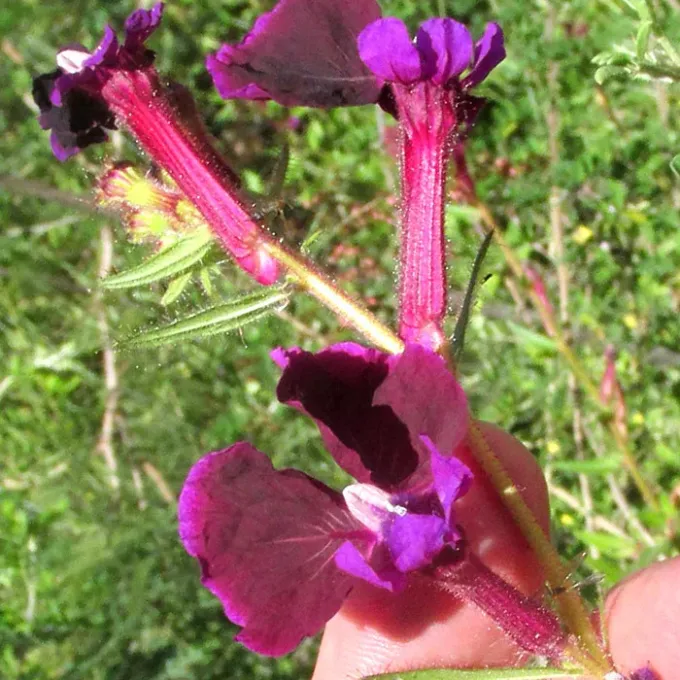
Description
Sowing dates
Cuphea lanceolata is an annual herbaceous plant belonging to the Lythraceae family. Sowing takes place in the spring once the risk of night frost has passed and soil temperatures reach 15 degrees Celsius.
Proper germination requires a moist and loose seedbed. Seeds should be planted at a shallow depth of 1–2 centimeters, as they require sufficient light to trigger the germination process successfully.
For industrial production, row planting with spacing between 30–45 centimeters is recommended. This layout ensures adequate space for plant development and facilitates easier mechanical maintenance.
Temperature consistency during the sowing phase is critical for achieving uniform emergence. Excessive fluctuations in temperature can lead to dormancy or susceptibility to soil-borne pathogens.
Rolling the soil immediately after sowing is a vital step to ensure proper seed-to-soil contact, which significantly improves field emergence and stand uniformity for the entire crop.
##requirements##Cuphea lanceolata thrives in open, sunny environments. The crop is highly sensitive to light intensity, making it crucial to select field locations that are free from any shade throughout the growing season.
Soils must be well-drained, light, and fertile. The crop does not tolerate waterlogging, which can lead to root rot and severe growth retardation under stagnant moisture conditions.
While exhibiting moderate drought tolerance, the crop requires consistent irrigation during active vegetative growth and the flowering phase to reach its maximum production potential.
The optimal pH range for cultivation is between 6.0 and 7.0. Soils with extreme pH values often lead to nutrient deficiencies, such as chlorosis, which hinders the plant's overall development.
Fertilization with a balanced mix of nitrogen, phosphorus, and potassium is necessary. Emphasis should be placed on phosphorus and potassium during the flower bud initiation stage.
##yield##The primary economic value of Cuphea lanceolata lies in its seeds, which are rich in medium-chain fatty acids, making them a premium raw material for chemical and cosmetic industries.
Yield depends heavily on agronomic management and regional climatic conditions. Under optimal conditions, farmers can expect yields ranging from 1.5 to 2.5 metric tons per hectare.
A notable biological challenge is the non-uniform maturation of seeds within a single plant. This requires careful observation to determine the optimal timing for harvest to avoid high losses.
Ongoing breeding efforts aim to develop varieties with uniform seed ripening. Such improvements will significantly enhance harvesting efficiency and overall output in the coming years.
Residual plant matter can be integrated into the soil as organic material. This practice helps improve soil structure and provides nutrients for subsequent crops in the rotation cycle.
##threats##Cuphea is susceptible to various fungal diseases, especially under conditions of high humidity. Powdery mildew is one of the most common issues, causing premature leaf drop and weakening plants.
Root rots are significant threats, particularly on heavy or poorly drained soils. Mitigation strategies focus on crop rotation and ensuring adequate soil aeration to prevent fungal development.
Insect pests, such as aphids and spider mites, often target the succulent young shoots. These pests feed on plant sap and can cause significant stress if not managed early in the season.
Slugs can be particularly damaging to young seedlings during the initial growth phase. Farmers often use physical barriers or specialized baits to monitor and control slug populations effectively.
Regular phytosanitary monitoring is essential to detect early signs of infestation. Timely application of targeted insecticides or fungicides prevents the spread of diseases across the field.
##harvest##Harvesting is a complex technological process due to the plant's indeterminate growth habit. It begins when the majority of the seed capsules turn brown, signaling physiological maturity.
Chemical desiccation may be used to dry out the vegetative mass evenly, which facilitates the harvesting process and lowers the seed moisture content before threshing begins.
Mechanical harvesting requires specialized combine settings and adapters designed to handle small seeds prone to shattering, ensuring minimal loss during the cutting and threshing process.
Post-harvest processing is mandatory, involving thorough cleaning to remove debris and drying to a moisture level of 8–10%. Proper moisture management is critical for shelf-life and oil quality.
Storage must be conducted in dry, well-ventilated facilities. Using appropriate containers protects the seed from overheating and microbial contamination, ensuring the product maintains its market value.