
Memorial rose
Rosa wichuraiana Crép.
Description
Growing requirements
The Memorial rose (Rosa wichuraiana) is a perennial shrub belonging to the Rosaceae family. Native to Eastern Asia, specifically Japan, Korea, and China, it is well-known for its prostrate growth habit, making it an excellent groundcover plant in wild habitats and gardens.
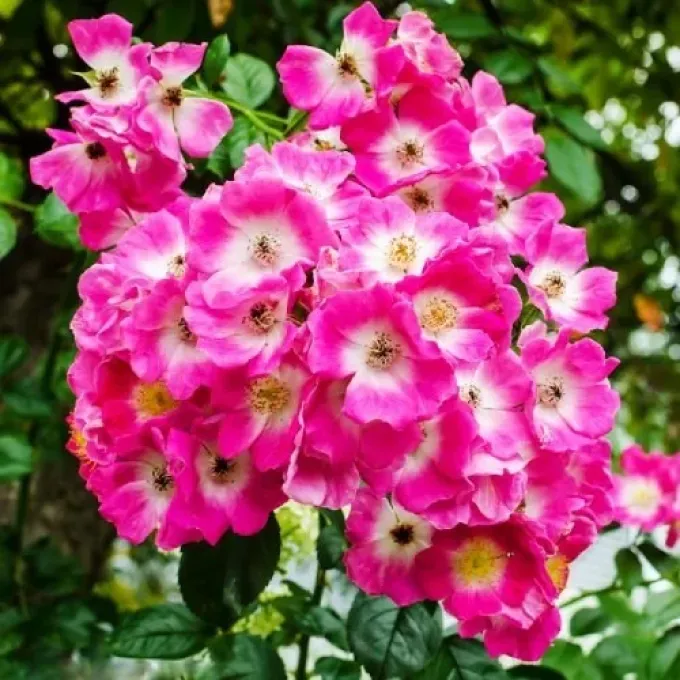
Botanically, this species is distinguished by its long, trailing canes that can spread across the ground for several meters. The foliage is semi-evergreen, glossy, and dark green, which provides aesthetic appeal even outside the flowering season, while the white flowers appear in clusters.
Cultivation requires well-drained, nutrient-rich soil to ensure optimal development. While it is quite adaptable, the species performs best in full sun, though it can tolerate partial shade in warmer climates where the intensity of the sun may scorch the leaves.
Agrotechnical maintenance involves periodic pruning, primarily to control the spread of the stems and to remove any dead or damaged wood. Providing structural support, such as trellises or walls, allows the rose to climb, transforming it into an effective vertical element in the landscape.
Economic importance of Rosa wichuraiana lies primarily in its role in rose breeding programs. It serves as a parent species for numerous hybrid varieties, imparting traits such as high vigor, disease resistance, and cold tolerance to modern garden roses.
Main diseases and pests
Like many species in the genus Rosa, the Memorial rose is susceptible to powdery mildew. This fungal disease appears as a white, dusty coating on the leaves and stems, usually occurring when the climate fluctuates between warm days and cool, damp nights.
Black spot is a prevalent concern in areas with high humidity. It manifests as dark, irregular spots on the leaves, leading to premature defoliation. Good sanitation, such as removing fallen leaves from the base of the plant, is essential for mitigating fungal outbreaks.
Insect pests including aphids and spider mites are frequent threats. Aphids usually colonize new growth, sucking sap and causing distortion, while spider mites flourish during hot, dry weather and can significantly weaken the foliage if left untreated.
The rose sawfly can also cause damage by feeding on the leaves, often leaving a skeletonized appearance. Early detection through regular visual inspections allows for immediate control, minimizing the need for heavy chemical intervention.
Preventive care is the cornerstone of managing plant health. Ensuring proper air circulation through the canopy, avoiding overhead irrigation that wets the foliage, and maintaining the plant's vigor with appropriate fertilization are vital strategies for long-term survival.