
Hairy water clover
Marsilea vestita
Description
Growing requirements
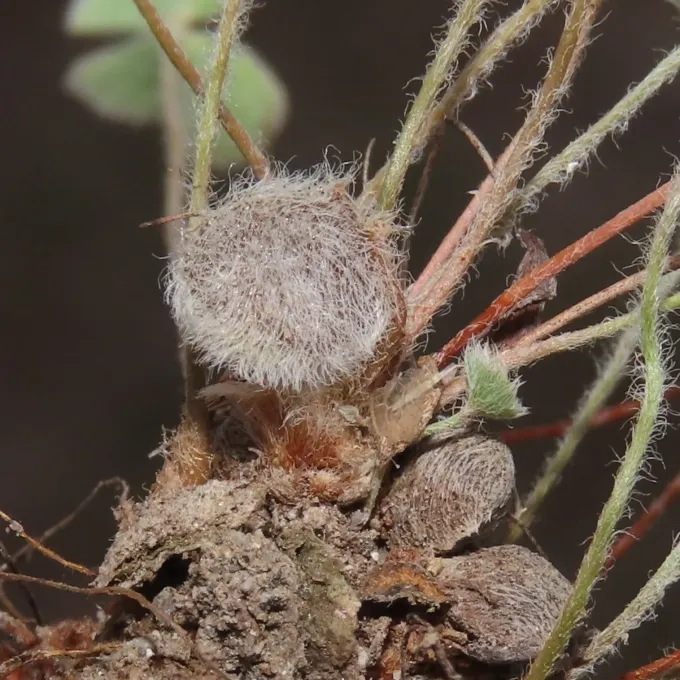
Marsilea vestita, commonly known as hairy water clover, is a unique aquatic fern belonging to the Marsileaceae family. It is distinct for its clover-like foliage which adapts to both submersed and emersed growing conditions.
Native to North America, this species inhabits ephemeral pools and riverbanks. It has evolved to survive in fluctuating water levels, which makes it a versatile species for managed wetland and aquatic environments.
The botanical structure features creeping rhizomes that anchor in the substrate, producing fronds that can vary in shape based on water depth and intensity of light exposure.
Successful cultivation requires a nutrient-rich substrate and consistent lighting. When used as a ground cover in aquascaping, it thrives under moderate to high light, which encourages the development of compact, low-growing mats.
Standard agronomic practices involve maintaining the stability of the aquatic environment. Propagating the plant is primarily done through rhizome division, which is highly effective for expanding the plant colony in confined areas.
Main diseases and pests
The most significant threat to Marsilea vestita health is competition from faster-growing invasive aquatic algae, which can rapidly overgrow the delicate fronds and block essential sunlight.
Nutrient deficiencies, particularly in iron and nitrogen, often lead to yellowing leaves and a significant reduction in the rate of vegetative propagation.
Fluctuations in water chemistry, specifically sudden changes in pH levels or total hardness, can stress the plant and lead to tissue necrosis on the petioles.
Aquatic pests like snails can physically damage the leaves, especially when the plant is in an emersed state during the early stages of establishment.
Poor water circulation and stagnant conditions can encourage the development of fungal pathogens, which primarily affect the rhizomes and lead to systemic decay.