
Marsilea deflexa
Marsilea deflexa
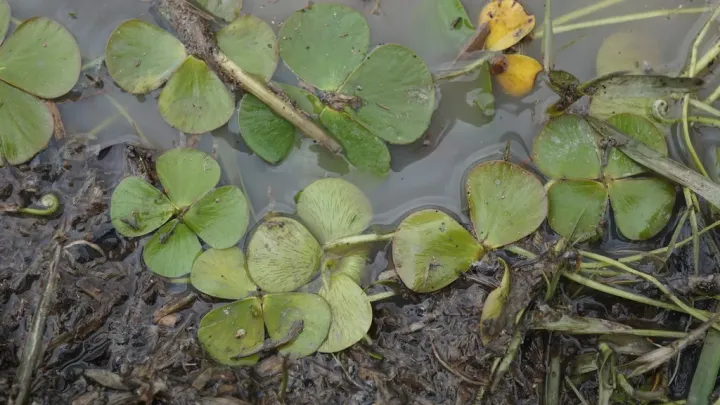
Description
Sowing dates
Marsilea deflexa is propagated primarily through the division of its creeping rhizomes, which can be cut into smaller segments.
The best time to transplant or divide this plant is during the active growing season when light intensity is high.
In cultivation, segments should be planted firmly into a nutrient-rich substrate, ensuring the nodes are in contact with the soil.
Establishing new patches requires consistent moisture levels, preventing the roots from drying out before full colonization.
Growth rate significantly increases when provided with a steady supply of nutrients directly through the substrate layers.
Growing requirements
Marsilea deflexa belongs to the Marsileaceae family and is recognized for its distinctive four-lobed leaves that resemble clover.
The plant thrives in water temperatures ranging from 20 to 28 degrees Celsius and prefers soft to moderately hard water conditions.
Sufficient lighting is critical; low light levels cause the stems to elongate excessively and weaken the overall structure of the colony.
The ideal growing medium is a fine-grained, nutrient-rich aquarium soil that allows for easy root penetration and anchorage.
It adapts well to both submerged and emersed conditions, provided that high ambient humidity is maintained in emersed setups.
Main diseases and pests
The primary threat to Marsilea deflexa in cultivation is the encroachment of aggressive filamentous algae, which smother the rhizomes.
Nutrient deficiencies, particularly involving iron and magnesium, lead to chlorosis and significantly reduce the photosynthetic potential.
Invertebrate pests, such as certain species of snails, may graze on the soft foliage, causing structural damage and opening wounds for rot.
Root rot often occurs in compacted soils where oxygen exchange is restricted, leading to the accumulation of anaerobic decay products.
Unstable water parameters, including dramatic swings in pH and GH, can cause sudden leaf shedding and plant decline.