
Marsilea batardae
Marsilea batardae
Description
Growing requirements
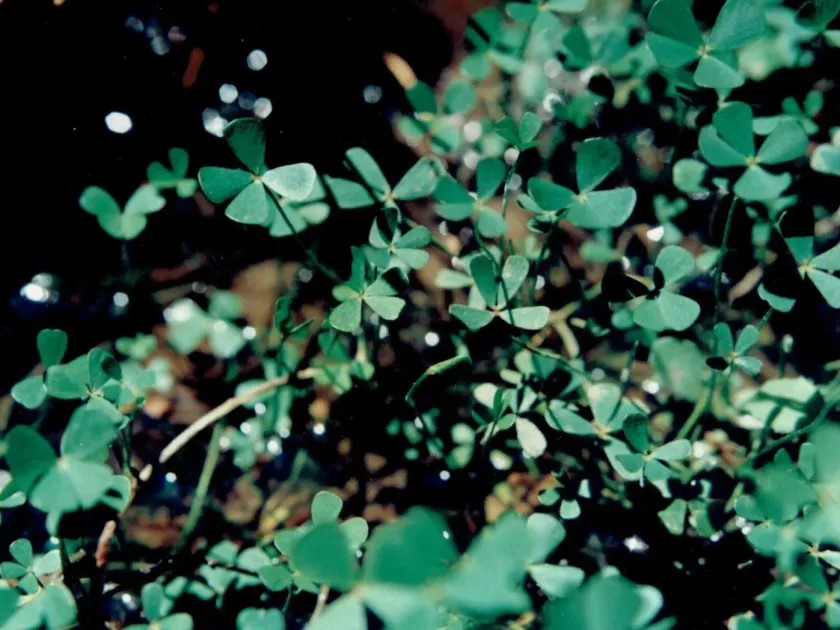
Marsilea batardae is a distinct species of water fern belonging to the Marsileaceae family. This plant is recognized for its creeping rhizomes and four-lobed leaves that bear a strong resemblance to clover, making it a highly sought-after species for aquatic landscaping.
Botanically, the plant is adapted to thrive in both fully submerged and amphibious conditions. It typically inhabits shallow wetlands, where it forms dense, carpet-like colonies that can cover significant surface areas of moist soil or shallow substrates.
The cultural requirements for Marsilea batardae include bright, indirect light to maintain a compact growth habit. Low light conditions generally lead to elongated petioles, which can diminish the aesthetic appeal of the plant within a pond or an aquarium setup.
Soil and substrate requirements favor nutrient-rich, fine-grained sediments such as silt or specialized aquatic soil mixes. Ensuring that the roots have access to essential minerals is critical for the continuous expansion of the rhizome network.
Temperature management is vital, as Marsilea batardae prefers a stable range between 20°C and 28°C. Rapid temperature fluctuations should be avoided, as they can cause stress to the plant, potentially leading to leaf chlorosis or retarded growth rates.
Main diseases and pests
Primary threats to the health of Marsilea batardae include the encroachment of aggressive aquatic algae and opportunistic fungal pathogens. These issues often arise in stagnant water environments where aeration is insufficient to support healthy fern tissue.
Pest pressures primarily come from aquatic snails and other small invertebrates that graze on the delicate foliage. Regular monitoring and maintaining proper water quality are the most effective strategies for preventing infestations and ensuring the long-term vitality of the culture.