
Marsilea crenata
Marsilea crenata
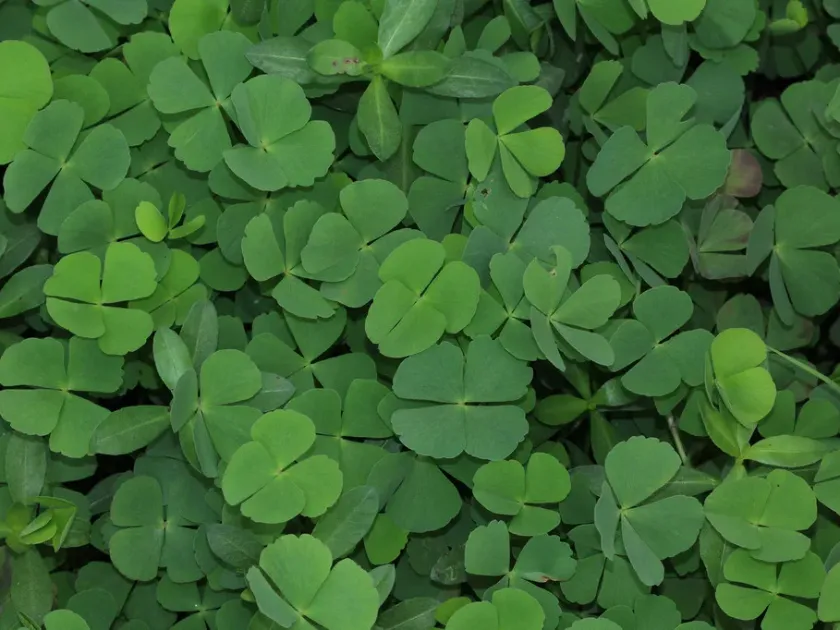
Description
Sowing dates
Marsilea crenata is a perennial aquatic fern belonging to the Marsileaceae family. In its natural environment, it propagates primarily through creeping rhizomes that spread rapidly across wet substrates or the bottom of shallow water bodies.
For agricultural purposes, the plant is typically propagated by dividing the rhizomes. The optimal planting period is the spring and summer season, when both air and water temperatures are consistently above 20 degrees Celsius.
The plant thrives in both shallow water and waterlogged soils. When planting, it is crucial to ensure that the rhizome nodes have firm contact with the nutrient-rich bottom layer to establish a strong root system.
Spore production is possible but less common in large-scale cultivation compared to vegetative division, as the latter yields faster and more reliable coverage of the growing area.
Selecting an appropriate site is vital; Marsilea can adjust its morphology based on water levels, transitioning between terrestrial, floating, and fully submerged forms depending on the depth.
Growing requirements
The crop requires bright, direct sunlight for optimal growth. In shaded environments, the petioles become elongated and thin, leading to smaller leaves and lower biomass productivity.
The soil should be silty and nutrient-dense, with a slightly acidic to neutral pH. A substrate rich in organic matter is essential for sustaining rapid regrowth after harvest.
The ideal temperature range for Marsilea crenata is between 22 and 28 degrees Celsius. The plant is sensitive to cold and can be damaged if temperatures drop significantly below 10 degrees.
Water quality is a major factor, as the fern is sensitive to pollutants and heavy metals. Stability in water parameters prevents leaf chlorosis and stunted growth.
Maintaining consistent moisture is paramount; the root system should never be allowed to dry out completely, as this significantly reduces the plant's yield potential and vitality.
Yield
Yield is highly dependent on planting density and the availability of nutrients in the substrate. In optimal conditions, the plant forms a dense mat that can be harvested multiple times throughout the season.
The edible parts are the young petioles and leaves. Regular harvesting and trimming stimulate the branching of the rhizomes, which in turn leads to a higher production of new shoots.
In intensive aquaculture or pond-based systems, yields can reach several kilograms of green biomass per square meter per month if managed with regular fertilization.
Because the crop is often intercropped with rice in Southeast Asia, it provides a valuable secondary income source without requiring substantial extra land or input.
Sustainable harvesting techniques that leave the main root structure intact ensure that the plantation remains productive for several years without needing replanting.
Main diseases and pests
The primary threats to this culture are fungal diseases, often caused by stagnant water and poor water circulation, which lead to root and leaf rot.
Pests, particularly snails and mollusks, pose a significant risk as they feed on the tender young leaves, which can severely impact the marketability of the product.
Excessive algal growth (epiphytes) can block sunlight from reaching the fern leaves, leading to photosynthesis deficits and eventual decline of the crop.
Aphids may infest the plants when water levels recede and the plant assumes its terrestrial form, requiring prompt integrated pest management strategies.
- Regular water circulation to prevent stagnation.
- Biological control of snail populations.
- Periodic monitoring of leaf and root health.
Harvesting
Harvesting is performed manually by gathering young leaves and their petioles. The best time for collection is early in the morning before high temperatures cause moisture loss.
Post-harvest handling is critical because the fresh product is highly perishable and prone to discoloration if left exposed to the air for too long.
Transportation of the harvest should be carried out in cool, moist containers to preserve the turgidity and quality of the leaves until they reach the market.
For household storage, the harvested Marsilea should be kept in water or wrapped in damp paper and stored in a refrigerator to extend its freshness.
Consistent removal of senescent or damaged leaves during the harvest process helps keep the plantation healthy and encourages the development of new, high-quality shoots.