
Marsilea strigosa
Marsilea strigosa
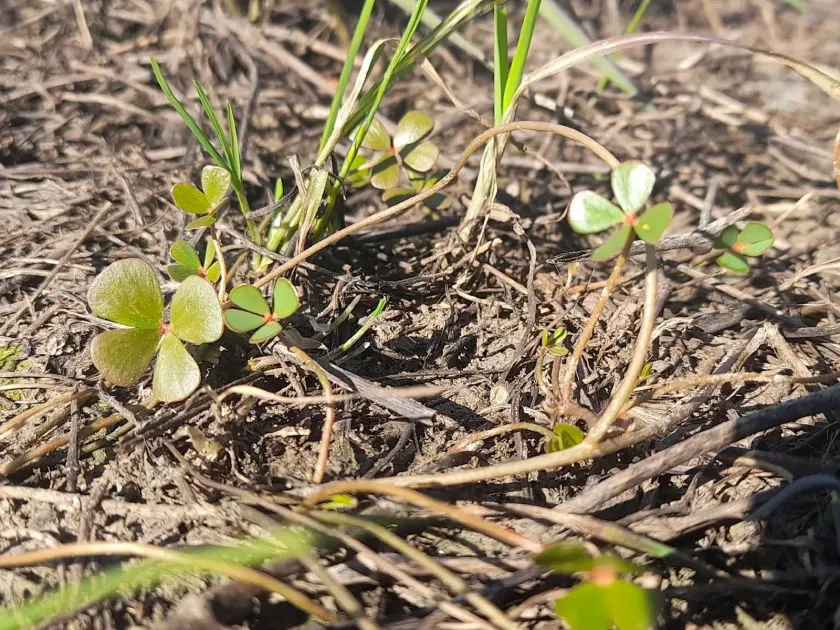
Description
Growing requirements
Marsilea strigosa is a perennial aquatic fern belonging to the Marsileaceae family. It is distinct for its four-lobed leaves, which superficially resemble clover, and its complex reproductive cycle involving spore-bearing structures known as sporocarps.
The plant originates from the Mediterranean basin and parts of North Africa. Its natural habitat consists of ephemeral wetlands and temporary ponds that experience seasonal drying, which is a critical phase for its lifecycle and spore production.
Successful cultivation requires high light intensity and nutrient-rich, silty or muddy substrates. It can grow as a submerged plant or emerge on saturated shores, demonstrating high adaptability to fluctuating water levels.
The temperature range should be moderate, and the water chemistry should be clean and low in salinity. A period of drought or substrate drying is often essential in a managed environment to stimulate the development of reproductive organs.
This species is mainly cultivated by botanists and aquarium hobbyists. It is highly valued in aquascaping for its ability to form dense, low-growing foreground carpets in well-maintained, high-tech planted tanks.
Main diseases and pests
Habitat loss due to land drainage and wetland reclamation is the primary threat to the natural populations of Marsilea strigosa, leading to a significant decrease in its historical distribution area.
In artificial environments, the plant is susceptible to competition from aggressive invasive algae, which can quickly outcompete it for light and carbon dioxide in aquatic setups.
Pathogenic fungi and water-borne pathogens can cause rhizome rot, especially if the substrate becomes anaerobic or if water circulation is insufficient to provide fresh oxygen to the root zone.
Aquatic snails and certain insect larvae can cause significant physical damage to the leaves, leading to reduced photosynthetic capacity and overall weakening of the plant colonies.
Environmental pollutants, including agricultural runoff containing nitrates and phosphates, can cause excessive algal blooms, creating conditions that are fundamentally unsuitable for the delicate growth of this fern.