
Marsilea quadrifolia
Marsilea quadrifolia
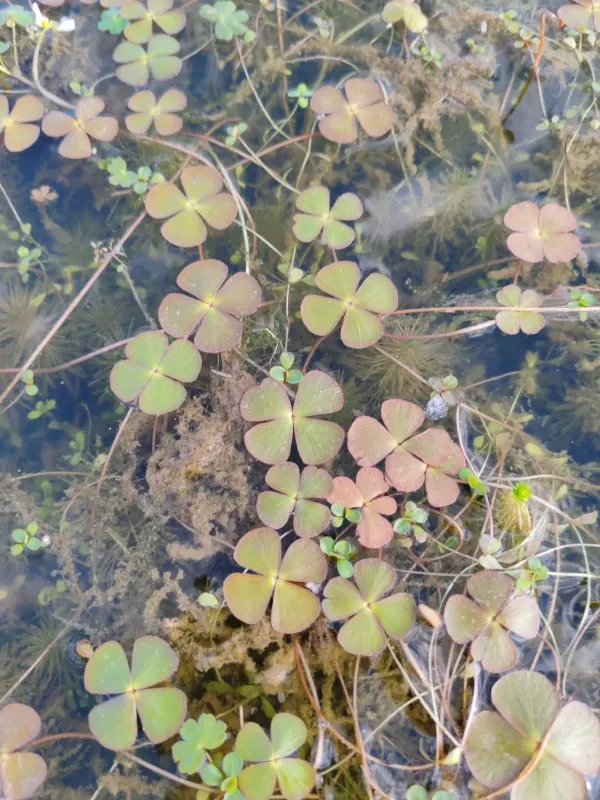
Description
Sowing dates
Propagation of Marsilea quadrifolia in agricultural settings is typically achieved through vegetative division of the rhizomes. The optimal time for planting begins in the spring, once the water temperature and sediment levels stabilize consistently above 18°C.
When establishing a plantation, rhizome segments featuring 2-3 nodes are placed directly into the nutrient-rich bottom substrate at a depth of approximately 5 centimeters. This technique ensures rapid establishment and encourages the plant to spread across the pond bottom.
Spore-based propagation is rarely utilized in professional aquaculture due to the specialized environmental conditions required for germination. Consequently, vegetative propagation remains the most efficient and reliable method for maintaining a healthy population.
Planting density depends on the desired coverage speed; typically, 5 to 10 rhizome fragments are planted per square meter. This approach ensures the surface is fully covered within a single growing season, assuming nutrient levels are sufficient.
When planting, care must be taken to ensure the growing point is positioned correctly—partially exposed to the water column. Excessive burial in dense, heavy sediment can cause the rhizome to decay, significantly reducing the success rate of the plantation.
Growing requirements
Marsilea quadrifolia, a member of the Marsileaceae family, is a versatile aquatic fern that thrives in specific environmental conditions. It is best suited for shallow, well-lit areas of bodies of water with depths ranging from 10 to 30 centimeters.
Soil requirements are moderate, but the plant performs best in silty, nutrient-rich substrates with a neutral to slightly acidic pH. The presence of organic matter within the sediment significantly promotes the growth of the vegetative mass.
Temperature control is a critical factor for successful development. The plant prefers warm water ranging between 20°C and 28°C; however, it demonstrates resilience and can survive in cooler, temperate climates if conditions remain stable.
Intense, indirect lighting is required for optimal health. Direct, scorching midday sun can damage the leaves, while insufficient light leads to stem elongation and a loss of the plant's natural, compact, clover-like appearance.
Water quality must be maintained at a high standard. The plant is sensitive to high chlorine levels and heavy metal contamination. Regular water circulation is essential to provide oxygen to the root zone and prevent the buildup of anaerobic conditions.
Yield
The economic value of Marsilea quadrifolia lies in its biomass, which is utilized in aquaculture for creating natural refuges for fish fry and improving water filtration. Yield is measured by the speed of surface coverage and biomass density.
Under favorable conditions, a single individual can cover a significant surface area within one season. Because its dense rhizome network effectively anchors the soil, the plant is highly valued for phytoremediation and stabilizing pond shorelines.
Harvesting biomass for commercial use is conducted through selective thinning of the colonies. Consistent management of the plantation ensures high long-term productivity and prevents the degradation that often results from overcrowding.
Yield metrics are directly correlated with nitrogen and phosphorus availability in the substrate. In intensive farming systems, the application of controlled-release fertilizers into the soil can increase biomass production by up to two-fold.
Although industrial standards for water ferns are still emerging, diligent care of the plantation ensures a steady supply of high-quality plant material for retail markets, aquarium wholesalers, and landscape design projects.
Main diseases and pests
The primary threats to Marsilea plantations include common aquatic pests such as aphids and certain lepidopteran larvae that feed on the delicate leaves. Damage to the foliage significantly impairs the plant's photosynthetic capacity and its visual quality.
Fungal infections, including root rot, often occur in stagnant water with poor circulation. These conditions provide an ideal environment for pathogens to thrive, potentially leading to the rapid decay of entire sections of the plantation.
Competition from filamentous algae is a persistent challenge. These algae can outcompete the fern for light and nutrients, requiring consistent mechanical intervention to ensure the Marsilea population remains dominant and healthy.
Excessive growth of duckweed or other floating weeds can cause light deprivation, which is critical for Marsilea development. A proactive maintenance schedule for the water surface is essential for professional aquatic plant cultivation.
- Regular monitoring of leaves for spot infections or discoloration.
- Application of biological controls upon the first signs of insect damage.
- Ensuring consistent water flow to maintain oxygen levels.
- Mechanical removal of algae and invasive weeds.
- Monitoring water chemistry to keep pH levels within an optimal range.
Harvesting
Harvesting is carried out during the peak of the growing season when the foliage is most vibrant and resilient. The process involves carefully cutting the rhizomes and lifting the excess plant matter using specialized rakes or nets.
Sustainability is key; a portion of healthy rhizomes must always remain in the substrate to allow the population to regenerate quickly. Late summer is generally the preferred time for large-scale harvests, as the plants are nutrient-dense.
Once harvested, the biomass must be rinsed of silt and debris immediately. Because the leaves are fragile, they quickly lose turgor if exposed to air for prolonged periods without adequate moisture.
For retail distribution, placing harvested bundles into specialized water-filled containers is recommended. This practice preserves the structural integrity and aesthetic quality of the product for several days after harvesting.
All harvesting tools must be disinfected between different sections of the plantation to prevent the transmission of pathogens. Using gentle harvesting techniques ensures the long-term viability and health of the aquatic environment.