
Marsilea minuta
Marsilea minuta
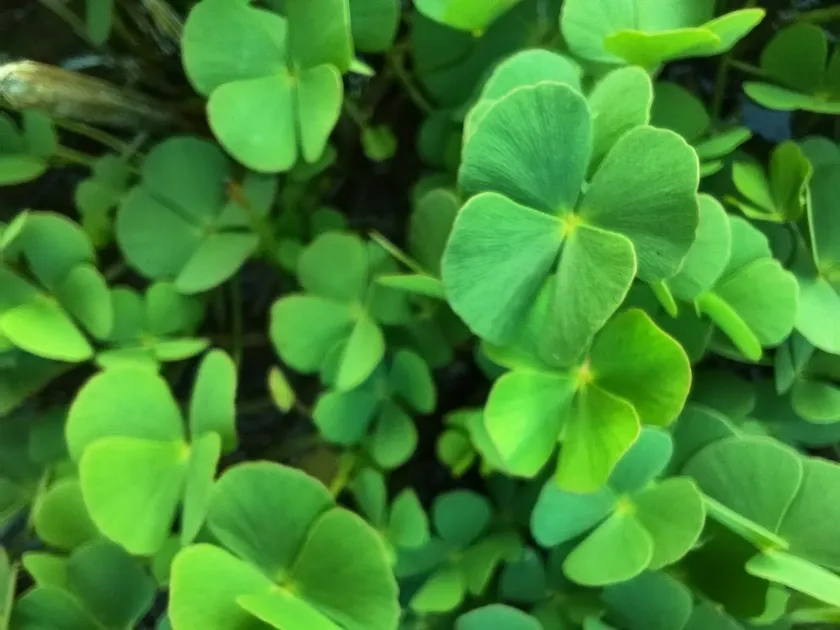
Description
Sowing dates
Marsilea minuta is an aquatic fern belonging to the Marsileaceae family, commonly propagated through the vegetative division of its rhizomes.
The planting process begins in the warm season when both water and substrate temperatures reach an optimal range of 22–28 degrees Celsius.
In its natural habitat, the plant thrives along the banks of water bodies, necessitating a stable moisture level for root establishment.
Rhizome cuttings should be placed into nutrient-rich, silty soil at a depth of approximately 2 to 5 centimeters to encourage rapid spreading.
To establish a uniform carpet, a planting density of 10 to 15 growth points per square meter is recommended for best initial coverage.
Growing requirements
The crop requires bright, diffused light to perform efficient photosynthesis and maintain a healthy, vibrant green leaf color.
Maintaining a neutral or slightly acidic pH level between 6.0 and 7.5 is crucial for effective nutrient uptake and overall plant vigor.
As a hygrophyte, the plant demands consistent water availability and thrives in environments with high ambient humidity levels.
Temperature stability is vital, as Marsilea minuta is sensitive to cold stress and cannot survive freezing conditions or drastic temperature drops.
The substrate should be rich in organic matter, specifically nitrogen and iron, to support the aggressive growth of its stoloniferous root system.
Yield
The agricultural yield is measured by the total biomass harvested, which can serve various purposes including fodder or human consumption.
Under optimal tropical conditions, the plant displays a rapid growth rate, allowing for multiple harvests within a single growing season.
Selective trimming of the foliage stimulates branching and ensures a continuous supply of fresh plant material throughout the year.
Yield efficiency is highly dependent on the availability of essential minerals in the aquatic environment and the duration of sunlight exposure.
When cultivated systematically, it serves as a reliable vegetable crop, provided the water source remains clean and free from industrial pollutants.
Main diseases and pests
Pest pressures primarily come from aquatic snails and insect larvae that can physically damage the delicate leaf blades of the plant.
Nutritional deficiencies, especially iron chlorosis, are common issues that manifest as yellowing of the leaves if soil balance is not maintained.
Fungal infections may occur in stagnant water systems where organic debris accumulates, potentially leading to root decay if left unchecked.
Invasive algae often compete for space and resources, making regular maintenance and weeding essential for the health of the cultivation area.
Integrated pest management, favoring biological controls over chemical pesticides, is recommended to preserve the safety of the aquatic ecosystem.
Harvesting
Harvesting is typically performed by hand-trimming the foliage just above the rhizome level to allow for continuous regeneration of new shoots.
Once gathered, the material is cleaned of silt and organic residues before being sorted for market distribution or immediate processing.
Early morning harvests are preferred to ensure high water content within the plant tissues, which helps maintain freshness after being picked.
Post-harvest handling requires cool and humid storage conditions to prevent dehydration and to retain the nutritional quality of the leaves.
Efficient logistics are necessary for large-scale operations to ensure the product remains in optimal condition from the field to the end user.