
Marsilea gibba
Marsilea gibba
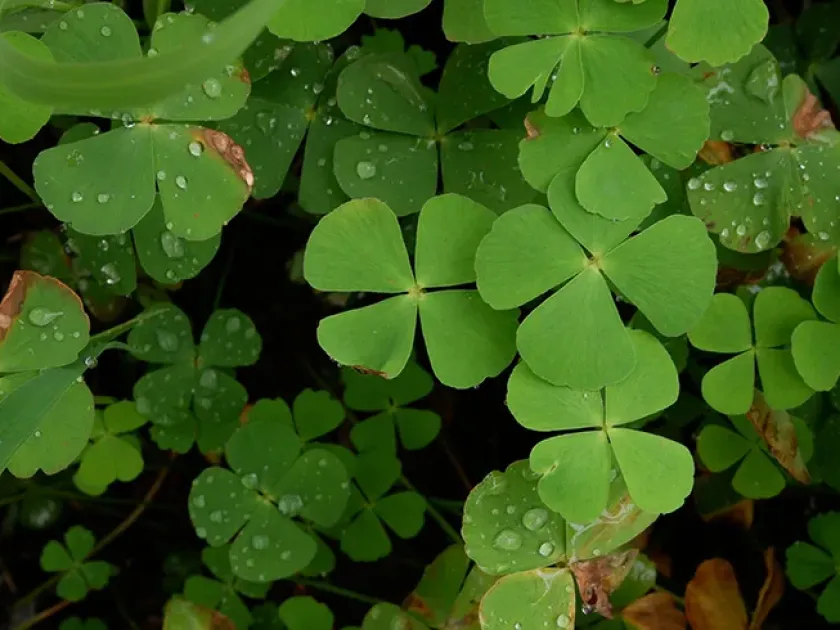
Description
Growing requirements
Marsilea gibba is an aquatic fern belonging to the Marsileaceae family. It is distinct for its four-lobed leaves, which bear a striking resemblance to a four-leaf clover, making it a highly prized specimen for aquatic environments.
Originating from tropical Africa and Madagascar, this plant is naturally adapted to marshy habitats and seasonally flooded terrains. Its ability to grow in both submerged and emersed forms makes it a versatile species for various water-based horticultural applications.
Successful cultivation requires water temperatures consistently between 20°C and 28°C. Providing sufficient light is essential; while the plant can tolerate lower light levels, high intensity is required to maintain its compact growth habit and proper leaf morphology.
The substrate should consist of nutrient-rich, fine-grained material like silt or clay-sand mixes. Because Marsilea gibba spreads via horizontal rhizomes, providing a loose, fertile substrate encourages rapid coverage and healthy rooting.
In terms of agricultural and horticultural use, this species is mainly utilized in the ornamental water plant industry. It serves as an excellent foreground plant for aquascaping, where its propagation rate is managed to create lush, green mats that define the aesthetics of a tank or pond.
Main diseases and pests
The primary threats to Marsilea gibba populations include fungal infections triggered by stagnant water and excessive organic waste accumulation in the substrate.
Herbivorous aquatic pests, particularly certain species of snails, pose a significant risk as they graze on the delicate rhizomes and leaf stalks, causing fragmentation of the mat.
Algal competition is a recurring challenge; if the nutrient levels are unbalanced, nuisance algae can quickly smother the low-growing Marsilea, blocking vital light absorption.
Nutrient deficiencies often manifest as chlorosis or stunted growth, necessitating precise fertilization to maintain the plant's health and vibrant appearance throughout the growing season.
Effective management requires maintaining clean water conditions and conducting regular maintenance, such as trimming overgrown areas to ensure proper water circulation around the rhizomes.