
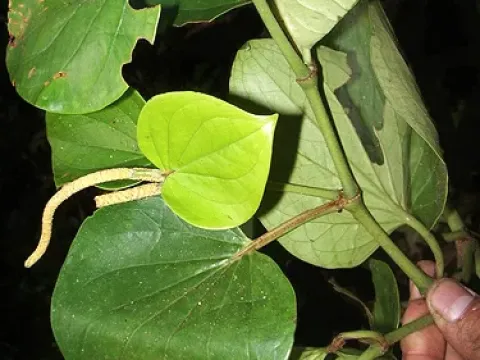
Manekia
Manekia
Manekia is a genus of plants belonging to the family Piperaceae. These plants are closely related to the well-known Peperomia but possess distinct botanical characteristics in their reproductive structures and inflorescence morphology.
What the section contains

Manekia
These plants are native to the tropical regions of the Americas. In their natural habitat, they grow as understory plants in humid, shaded environments, which dictates their specific physiological needs when cultivated by humans.
The climate requirements for Manekia focus on high humidity and protection from direct, harsh sunlight. They thrive in environments where ambient humidity remains above 60 percent, preventing dehydration of their fleshy foliage.
Soil management for this crop requires a porous, well-draining medium. A mix containing organic matter such as peat or coco coir combined with drainage materials like perlite or pine bark is essential to keep the root system healthy.
Agronomic maintenance involves a balanced watering schedule, ensuring the substrate is consistently moist but never waterlogged. Overwatering is the most frequent cause of physiological decline in this genus under greenhouse conditions.
The primary threats to Manekia include fungal pathogens such as Pythium and Rhizoctonia, which target the root system in damp, cold conditions.
Pests like mealybugs and spider mites represent significant challenges for cultivation, as they often hide in the leaf axils, making them difficult to detect early.
Nutrient deficiencies, specifically regarding nitrogen or micronutrients, can lead to yellowing of the foliage, which is often mistaken for disease symptoms.
Integrated pest management protocols, including the use of neem oil or insecticidal soaps, are recommended to control insect populations without harming the plant.
Monitoring the pH level of the substrate is vital, as improper acidity can inhibit the plant's ability to absorb essential nutrients, leading to stunted growth.