
Manekia incurva
Manekia incurva
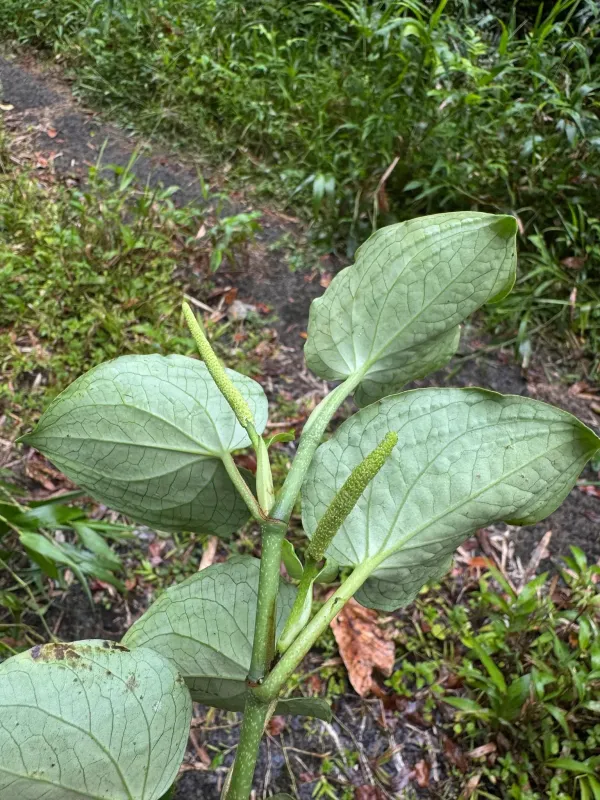
Description
Growing requirements
Manekia incurva is a perennial herbaceous plant belonging to the Piperaceae family. It is native to the tropical forests of Central and South America, where it thrives in humid and shaded understory environments.
The plant is botanically distinguished by its unique node structure and alternate leaf arrangement. Its foliage is adapted to capture light efficiently in low-light conditions, which makes it a typical shade-loving species within its native range.
Cultivation requirements include a warm, humid environment with consistent temperatures. The growing medium must be porous, well-draining, and rich in organic matter to mimic the natural soil structure of its tropical habitat.
For optimal growth, Manekia incurva requires indirect sunlight. Direct sunlight can cause leaf scorching, while poor drainage in the container can lead to rapid physiological decline and potential root death.
In terms of usage, this plant is primarily valued by botanists and collectors of tropical plants. It is not grown as a standard field crop, but serves as a decorative specimen in conservatories and controlled greenhouse settings.
Main diseases and pests
The main threats to the health of Manekia incurva are fungal pathogens that thrive in waterlogged conditions. Root rot is the most common issue, typically resulting from poor drainage or excessive irrigation.
Pests such as spider mites and scale insects are frequently encountered in indoor environments with low humidity. These pests feed on plant sap, leading to stunted growth and visible leaf damage.
Maintaining air circulation is critical for disease prevention. Proper ventilation helps to keep the leaf surface dry and reduces the chances of bacterial and fungal infections appearing on the foliage.
Sanitation practices are essential for managing any potential outbreaks. Regularly removing withered or necrotic tissues prevents the buildup of pathogens and helps maintain the overall vitality of the plant.
Integrated pest management, including regular visual inspections and targeted applications of mild pesticides, is recommended for long-term health. Keeping the plant in its optimal temperature range significantly boosts its natural resistance.