
Imperial Pepper
Piper imperiale
Description
Growing requirements
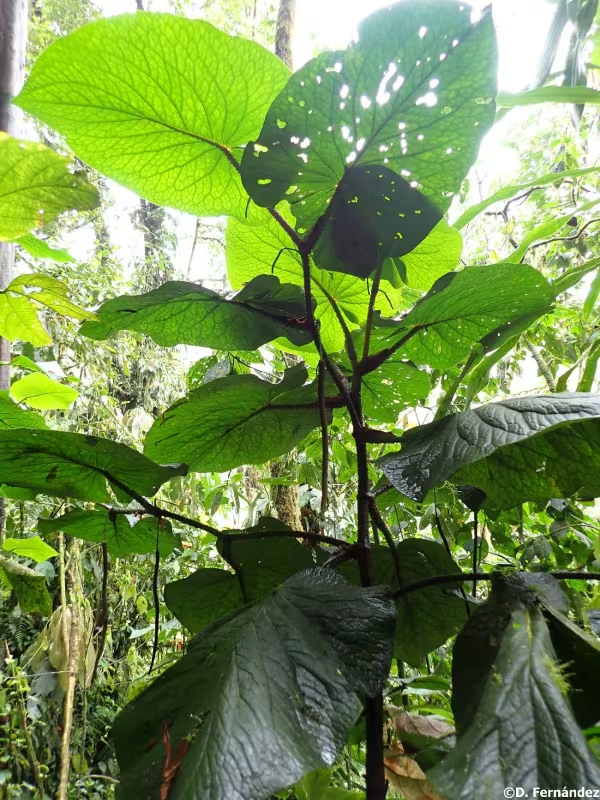
Imperial Pepper, scientifically known as Piper imperiale, is a fascinating member of the Piperaceae family. Unlike common garden peppers, this species is a tropical vine characterized by its lush, decorative foliage and specific environmental needs.
To thrive, this plant requires tropical conditions with temperatures consistently maintained between 22 and 28 degrees Celsius. Cold stress can cause irreversible damage to the vines, so climate control in greenhouse environments is critical.
Soil requirements focus on high drainage capacity and nutrient richness. A substrate based on peat, perlite, and organic humus is ideal, as it prevents the roots from sitting in stagnant water while holding necessary moisture.
Light management is essential for Piper imperiale; it thrives under bright, indirect light. Direct exposure to midday sun often leads to scorching of the broad leaves, necessitating the use of light-diffusing curtains in commercial setups.
Proper irrigation involves maintaining consistent soil moisture. During the active growth season, regular misting of the foliage helps to simulate its natural habitat, keeping the plant hydrated and encouraging vigorous vine development.
Main diseases and pests
The primary pests affecting this crop include spider mites, which are particularly active in dry, warm indoor environments. These insects drain nutrients from the leaves, resulting in stippling and eventual leaf drop if left unchecked.
Root pathogens such as Pythium and Phytophthora pose a significant threat when soil drainage is insufficient. Ensuring proper aeration and avoiding overwatering are the most effective strategies to prevent these soil-borne diseases.
Mealybugs can often hide in the crevices of the vine stems, making them difficult to detect. Regular inspection and the use of targeted systemic insecticides can prevent significant infestations from overwhelming the plant.
High humidity combined with poor airflow can lead to grey mold (Botrytis), which affects foliage and young shoots. Maintaining a constant gentle breeze or using fans in the greenhouse helps significantly in reducing the incidence of mold.
Effective pest and disease management relies on maintaining high hygiene standards. Regularly removing dead plant material and isolating new specimens helps in preserving the overall health of the crop and prevents the spread of pathogens.