
Rosa moyesii
Rosa moyesii Hemsl. & E. H. Wilson
Description
Sowing dates
Propagation of Rosa moyesii is typically achieved through seeds or stem cuttings. Seed germination requires a lengthy period of cold stratification, usually lasting about three to four months, to break dormancy successfully.
Sowing in autumn is highly recommended to allow the seeds to undergo natural winter chilling. If sowing in spring, the seeds should be pre-treated to ensure they germinate within the same growing season.
Stem cuttings are best taken during the summer months from healthy, semi-ripe wood. Using a rooting hormone and maintaining a high-humidity environment will significantly improve the success rate of the cuttings.
Transplanting seedlings to their permanent garden location is ideally performed in spring or early autumn. Proper site preparation, including organic soil amendments, is crucial for establishing a robust root system early on.
Ensure a generous planting distance of at least 1.5 to 2 meters between individual shrubs to accommodate the natural wide-spreading habit of this species as it reaches maturity.
Growing requirements
Rosa moyesii thrives in full sun exposure, which is necessary to encourage vigorous growth, profuse flowering, and the development of its signature brilliant red hips by late summer.
The species is adaptable to various soil types but prefers fertile, well-draining loamy soils with a slightly acidic to neutral pH. Avoid waterlogged areas as they can severely compromise the plant's root health.
This rose is known for its excellent hardiness, making it suitable for temperate climates. While well-established plants are quite resilient, providing a layer of mulch around the base is beneficial during the first few years.
Consistent, moderate watering is required during dry spells, especially throughout the growing season. Care should be taken to water at the base of the plant to keep the foliage dry and reduce disease risk.
Applying a balanced fertilizer in early spring supports healthy vegetative growth, while a late-summer application of potassium-rich feed helps prepare the plant for winter dormancy and improved disease resistance.
Main diseases and pests
While generally robust, Rosa moyesii can be susceptible to powdery mildew, particularly when air circulation is poor. Keeping the center of the shrub open through regular pruning is a key preventive measure.
Black spot is another potential issue, often triggered by prolonged leaf wetness in humid conditions. Removing and destroying fallen infected leaves is vital to stopping the cycle of fungal spores in the garden.
Aphids are common pests that tend to cluster on tender new shoots and buds. Monitoring the plant regularly allows for early detection and manual removal or the use of mild horticultural soaps to control the population.
Spider mites may become a problem during hot, arid summer weather, causing foliage to lose its luster and drop prematurely. Regular misting of the plant can help create an environment less favorable to these pests.
Performing annual sanitary pruning in late winter or early spring is essential. This practice removes dead or diseased wood and improves airflow throughout the canopy, significantly reducing the impact of potential threats.
Harvesting
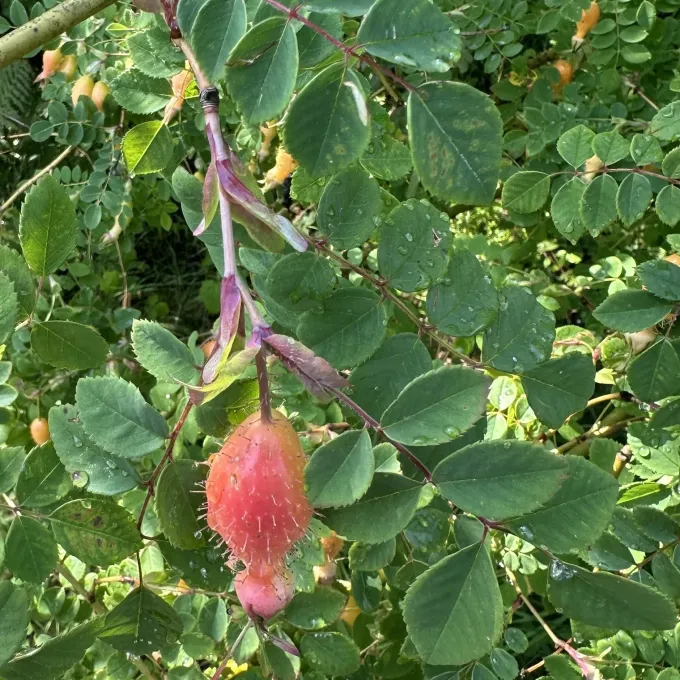
The harvest of Rosa moyesii hips typically takes place in early autumn once they have achieved their full, vibrant red color. These unique, bottle-shaped fruits are highly valued for their ornamental and culinary use.
The hips are rich in vitamin C and antioxidants, making them an excellent ingredient for medicinal teas, jams, and syrups. They should be harvested with care to avoid damaging the branches of the shrub.
In landscape design, leaving the hips on the bush throughout the winter provides a beautiful aesthetic contrast against snow and serves as an important food source for local bird populations.
For long-term storage, the hips can be dried at low temperatures. Drying must be done carefully to prevent browning and the degradation of essential vitamins, ensuring a high-quality finished product.
Store the processed harvest in a cool, dark, and dry environment using airtight containers. Periodically inspect the stored material to ensure that no moisture has entered the container, preserving the shelf life.