
Mahonia oiwakensis
Mahonia oiwakensis Hayata
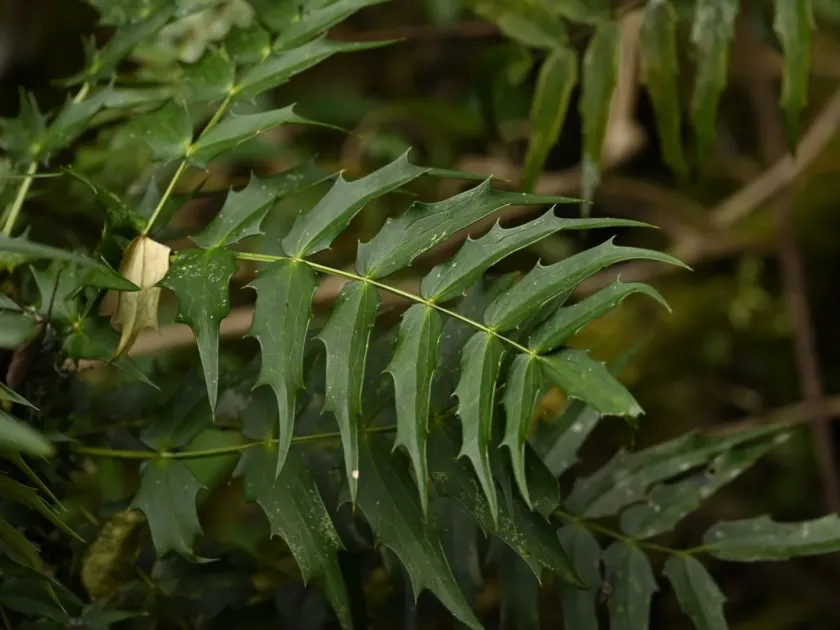
Description
Sowing dates
Propagation of Mahonia oiwakensis is primarily achieved through stem cuttings, which should be planted in a greenhouse or protected environment during late summer.
Seed propagation requires stratification, so seeds are typically sown in the ground before winter to allow natural temperature cycles to break dormancy.
Transplanting container-grown plants is best performed in early spring or autumn to ensure the root system is well-established before extreme temperatures occur.
Preparation of the site is crucial, and adding coarse gravel or sand at the bottom of the planting hole helps improve drainage and prevents root rot.
Spacing requirements depend on the intended landscape design, but usually, a minimum distance of 1.5 to 2 meters is advised to support healthy shrub growth.
Growing requirements
Mahonia oiwakensis belongs to the Berberidaceae family and is recognized for its elegant, evergreen foliage and clusters of bright, typically yellow flowers.
This species thrives in well-drained, fertile soil, ideally with a slightly acidic to neutral pH level that supports balanced nutrient uptake for the plant.
It prefers partial shade or dappled light, as harsh direct sunlight can damage the leaves, especially in regions with intense summer heat or dry climates.
Adequate moisture is required for young plants, but once established, the shrub becomes moderately drought-tolerant compared to other ornamental species.
Mulching the root zone is highly recommended to regulate soil temperature and retain moisture, especially during the first few years after planting.
Main diseases and pests
Powdery mildew is a common fungal threat that appears as a white, dusty coating on leaves, often occurring in environments with high humidity and poor airflow.
Rust diseases can also affect the plant, causing discoloration and leaf drop, which necessitates prompt removal of any infected plant material from the site.
Insects like scale insects can infest stems and leaves, extracting sap and leaving the plant susceptible to secondary infections or weakened growth patterns.
Integrated pest management strategies, such as monitoring for signs of infestation and using horticultural oils, are effective in controlling these pests.
Maintaining proper plant hygiene, including cleaning fallen leaves and pruning dead wood, significantly reduces the risk of long-term disease outbreaks.