
Oregon grape
Mahonia aquifolium (Pursh) Nutt.
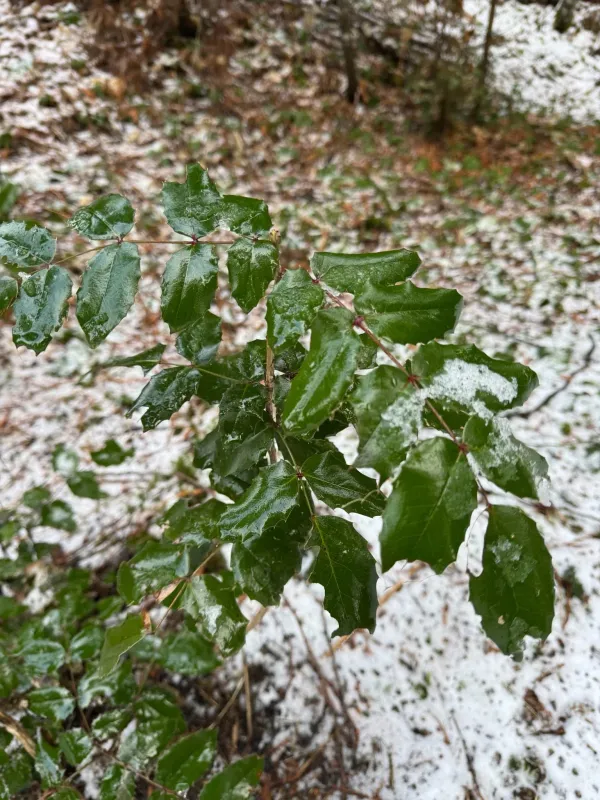
Description
Sowing dates
Seed propagation of Mahonia aquifolium is typically performed in the autumn, sowing seeds directly into open ground to allow for natural cold stratification over the winter.
When sowing in the spring, seeds must undergo mandatory artificial cold stratification for three to four months at temperatures between 0 and 5 degrees Celsius.
The seeds should be planted at a depth of 1.5 to 2 centimeters, and the soil surface should be mulched to maintain moisture and prevent the formation of a hard crust.
Seedlings emerge unevenly, so it is essential to keep the nursery plot free of weeds and ensure the substrate remains consistently moist during the first few months.
Vegetative propagation via softwood cuttings taken from June to July is considered a more efficient method for producing uniform planting stock in commercial cultivation.
Growing requirements
Oregon grape belongs to the Berberidaceae family and is an evergreen shrub native to the western regions of North America, where it thrives in diverse habitats.
The crop prefers fertile, fresh, and well-drained loamy soils with a neutral or slightly acidic pH, avoiding areas prone to waterlogging during rainy periods.
This plant is highly adaptable, showing excellent performance in partial shade, though it can tolerate sunny locations if provided with adequate moisture throughout the season.
In temperate climates, the plant requires protection from harsh, desiccating winds and intense early spring sun, which can cause leaf burn on evergreen foliage.
Mahonia is known for its hardiness; mature specimens can withstand temperatures as low as -25 degrees Celsius, although young plants may need winter protection.
Yield
The fruits of the Oregon grape are dark blue, glaucous berries that ripen in late summer or early autumn, offering a tart flavor profile suitable for various uses.
Yields are highly dependent on the shrub's age and local environmental conditions, typically ranging from 0.5 to 1 kilogram of berries per mature plant annually.
These berries are utilized in the food industry for producing juices, wines, jellies, and natural food colorants due to their rich pigment and distinct acidic taste.
In pharmacology, the plant is a valued source of berberine, an alkaloid used in dietary supplements and traditional medicine, making it a viable crop for secondary processing.
Beyond culinary use, the plant's high ornamental value makes it a popular choice for hedging and landscaping, providing economic utility throughout its lifecycle.
Main diseases and pests
The primary pathological threat to Oregon grape is powdery mildew, which manifests as a white, dusty fungal growth on leaves, especially in humid and poorly ventilated conditions.
Rust fungi can also affect the foliage, causing yellow or brown spots that weaken the plant's vigor and reduce its overall aesthetic and commercial quality.
Preventive maintenance, including the application of copper or sulfur-based fungicides during the early stages of the growing season, is essential for disease control.
Aphids can occasionally infest the plant, feeding on the tender young shoots and causing leaves to curl and become deformed if left untreated for an extended time.
Integrated pest management, including regular inspection and the use of systemic insecticides, is recommended to manage populations and ensure plant health.
Harvesting
Harvesting should occur only when the berries have fully reached their characteristic deep blue color, as they do not continue to ripen after removal from the plant.
Care should be taken during the harvest process; the leaves are equipped with sharp, spine-like teeth, making the use of heavy-duty gloves and protective clothing mandatory.
Pruning shears should be used to carefully remove berry clusters to avoid unnecessary damage to the structural branches and the dense evergreen foliage.
Harvested berries have a short shelf life and should be stored in cool conditions or processed immediately to maintain their nutritional profile and color stability.
For larger scale production, rapid freezing is the preferred method to preserve the fruit for later industrial use in jam or supplement manufacturing facilities.