
Mahonia eurybracteata
Mahonia eurybracteata Fedde
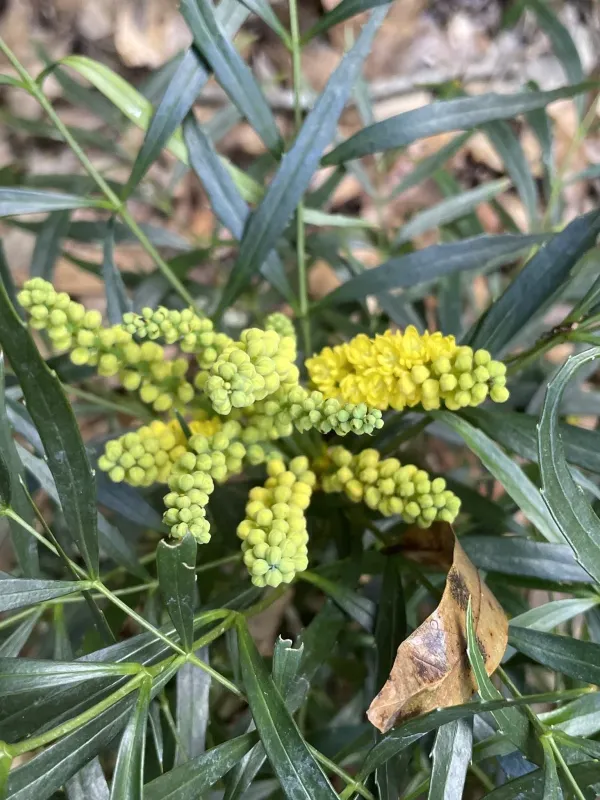
Description
Growing requirements
Mahonia eurybracteata is an evergreen shrub belonging to the Berberidaceae family. It is native to China, primarily found in moist, shaded forest habitats within mountainous regions.
The plant thrives in partial to full shade, avoiding intense afternoon sunlight which can scorch its complex foliage. It requires a stable microclimate to maintain its lush appearance year-round.
For optimal growth, provide well-drained, fertile soil rich in humus. The plant exhibits a preference for slightly acidic to neutral pH levels, ensuring nutrients remain available for steady development.
Cultural practices should focus on maintaining consistent soil moisture. Mulching the base of the plant helps to regulate ground temperature and retain moisture, which is vital during the summer months.
This species is highly regarded in horticulture for its ornamental value. It serves as an excellent structural plant for landscape design, offering both textural foliage and clusters of bright flowers.
Main diseases and pests
Powdery mildew represents the most significant fungal challenge for Mahonia eurybracteata. It appears as a white dusty coating on the leaves, usually triggered by poor airflow and high humidity.
Pests like aphids and scale insects are common intruders. They tend to congregate on the underside of leaves and tender stems, feeding on vital plant sap and causing stunted growth.
To prevent disease outbreaks, ensure proper spacing between shrubs to facilitate air circulation. Avoid overhead watering, as wet leaves create an environment conducive to fungal spores.
Regular monitoring is essential for early pest detection. Manual removal of infested leaves or the use of horticultural oils can often manage localized infestations effectively.
Integrated pest management strategies, such as promoting beneficial predatory insects and routine pruning of crowded branches, are highly recommended to ensure the health of the specimens.