
Mahonia japonica
Mahonia japonica (Thunb.) DC.
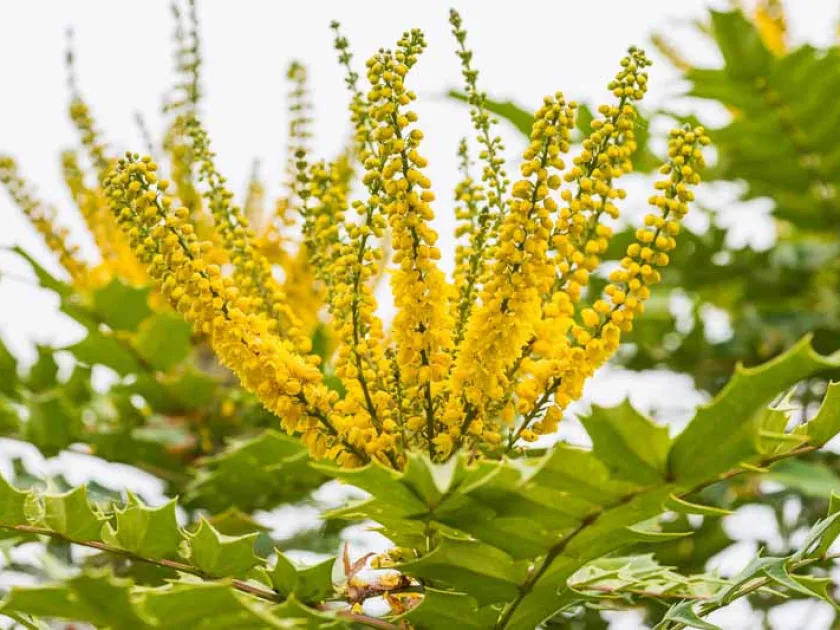
Description
Sowing dates
Sowing seeds of Mahonia japonica is most successful when performed in autumn, as this allows the seeds to undergo natural stratification over the winter.
If spring sowing is preferred, seeds must be cold-stratified for three to four months at temperatures between 0 and 5 degrees Celsius to break dormancy.
Seeds should be planted at a depth of approximately 1–2 cm in a well-draining, nutrient-rich substrate, keeping the soil consistently moist until germination.
Vegetative propagation, including the use of semi-hardwood cuttings or root suckers, is a reliable method for maintaining the characteristics of parent plants.
Young seedlings require protection from harsh environmental conditions and direct sun exposure during their first two years of establishment.
Growing requirements
Mahonia japonica is a member of the Berberidaceae family, prized for its evergreen foliage, yellow flowers, and ornamental blue-black berries.
The plant thrives in partial shade, as excessive direct sunlight can scorch the leaves and detract from its overall aesthetic value in the garden.
Optimal soil conditions include well-draining, fertile, and slightly acidic to neutral soils that prevent moisture retention around the roots.
This shrub prefers temperate climates and benefits from being sheltered from cold, drying winds that can cause winter burn on the foliage.
Cultural practices should emphasize consistent mulching to retain soil moisture and regulate temperatures around the root zone throughout the growing season.
Main diseases and pests
Common plant health issues include fungal diseases such as powdery mildew and rust, which often occur in crowded or poorly ventilated conditions.
Maintaining proper spacing between shrubs is essential to ensure adequate airflow, which significantly reduces the risk of fungal pathogen development.
Pests like aphids and scale insects may infest the plant, necessitating the use of systemic insecticides or horticultural oils to manage populations effectively.
Excessive soil moisture can lead to root rot, so careful monitoring of drainage and irrigation levels is critical for long-term plant viability.
Annual pruning of dead, diseased, or crossing branches helps maintain the vigor of the plant and promotes healthier new growth in the spring.