
Creeping mahonia
Mahonia repens (Lindl.) G. Don
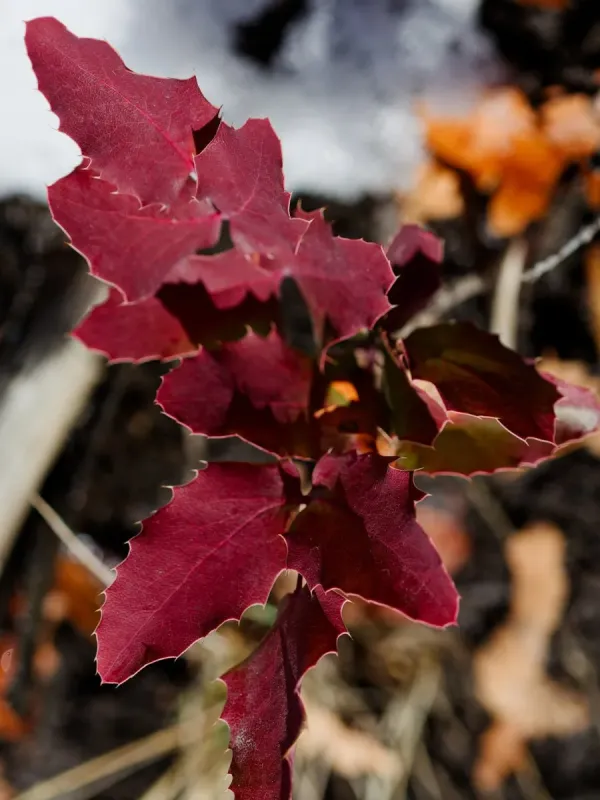
Description
Sowing dates
The propagation of creeping mahonia is typically carried out by sowing seeds that require stratification at low temperatures for 90 to 120 days.
Vegetative propagation via softwood cuttings is an efficient method to ensure genetic consistency and faster establishment of new plants.
Spring planting is highly recommended to allow the root system to develop adequately before the onset of the summer heat or winter dormancy.
When transplanting nursery-grown seedlings, ensure that the spacing remains around 60 centimeters to allow for natural creeping development.
Division of mature, healthy clumps can be performed in late summer to stimulate vigorous growth in the following season.
Growing requirements
Mahonia repens, a member of the Berberidaceae family, is a low-growing, evergreen shrub native to the mountainous regions of North America.
This species thrives in well-drained, acidic to neutral soils and displays remarkable resilience to varying levels of sunlight, from shade to full sun.
It is known for its excellent cold tolerance, allowing it to survive harsh winter conditions without significant canopy damage.
Irrigation management is critical during the establishment phase; however, once settled, it displays moderate drought tolerance.
Regular application of organic mulch is beneficial for maintaining soil moisture levels and suppressing invasive weed growth around the root zone.
Yield
The primary agricultural utility of Mahonia repens is as a ground cover plant for erosion control and ornamental landscaping.
The plant produces edible, dark-blue berries that are rich in antioxidants and are frequently harvested for jams, jellies, and juices.
In the pharmaceutical industry, the roots are harvested for their alkaloid content, specifically berberine, which is valued for medicinal purposes.
Although berry production is generally for local use, the aesthetic value of the plant provides economic benefits to nursery and landscape contractors.
Harvesting should be done carefully to protect the creeping stolons, which are responsible for the plant's horizontal expansion.
Main diseases and pests
The creeping mahonia is relatively robust, yet it can be susceptible to rust and powdery mildew if planted in poorly ventilated areas.
Common pests like aphids and scale insects might occasionally infest young growth, requiring monitoring and prompt intervention if necessary.
Sanitation practices, such as removing fallen leaves and pruning dead wood, significantly reduce the incidence of fungal pathogens.
Application of horticultural soaps or neem oil is often sufficient to manage minor pest infestations without harming the environment.
Proper site selection and ensuring adequate soil drainage are the most effective preventive measures against root-related disorders.