
Maerua schinzii
Maerua schinzii
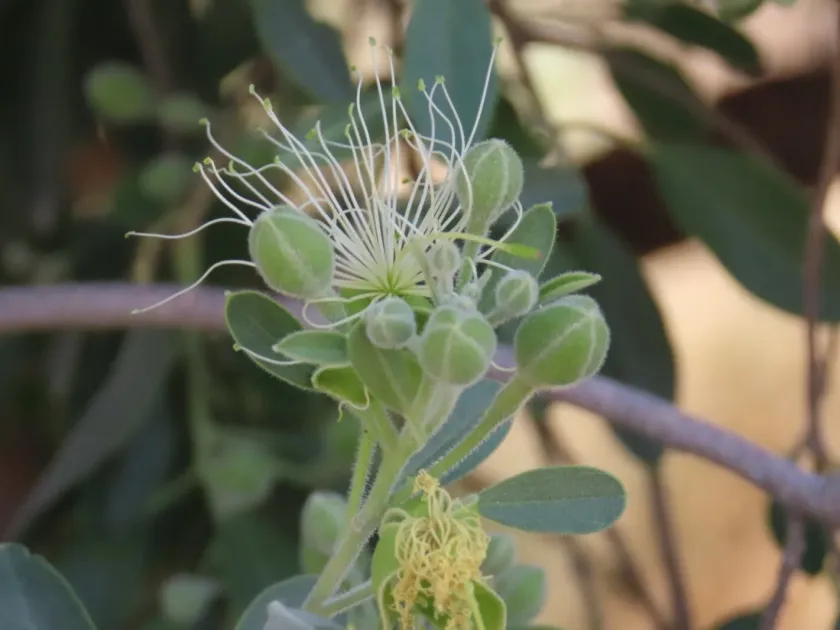
Description
Growing requirements
Maerua schinzii is a hardy shrub belonging to the Capparaceae family, native to the arid and semi-arid regions of Southern Africa. This plant species is well-known for its exceptional ability to survive in environments where most agricultural crops would perish due to extreme heat and prolonged water scarcity.
Botanically, Maerua schinzii features a deep taproot system and sclerophyllous leaves that are highly adapted to minimize moisture loss. The plant possesses a robust structure, often growing into a small tree, which provides shade and stabilizes soil in vulnerable desert ecosystems.
Regarding soil requirements, this species thrives in well-drained, sandy, or gravely soils that do not retain excess water. It is intolerant of waterlogging, which often leads to root collar rot and rapid decline. Soil aeration is critical for healthy development and nutrient uptake in these arid conditions.
The climate requirements for this crop involve high temperatures and intense sunlight. Maerua schinzii is highly photophilous and performs best in full sun exposure. It is not tolerant of frost, and growth is significantly slowed when temperatures drop below 15 degrees Celsius for extended periods.
In terms of agricultural use, Maerua schinzii serves as a valuable forage resource during the dry season when pastures are depleted. Its foliage is utilized by livestock and wildlife, providing essential nutrients that sustain herds in regions where other forage options are unavailable or of poor quality.
Main diseases and pests
The primary threats to Maerua schinzii in an agricultural setting include various insects, particularly grasshoppers and leaf-eating beetles. These pests can rapidly defoliate younger plants, significantly hindering their establishment and overall vitality if not managed appropriately.
Pathogenic threats are usually associated with fungal activity during periods of atypical high rainfall or poor drainage. Species of Fusarium and Rhizoctonia can affect the root system, causing wilting and death, especially in nursery conditions where airflow is restricted.
Weed competition is a major challenge during the early stages of plant growth. Fast-growing annual weeds can easily outcompete young seedlings for limited groundwater. Regular manual weeding or the application of organic mulch around the base of the plant is recommended.
Mechanical damage caused by browsing wildlife or domestic livestock is another concern. Overgrazing can deplete the plant's reserves, leading to stunted growth or mortality. Implementing controlled grazing cycles or temporary protective fencing is essential for preserving the stand.
Abiotic stresses, such as prolonged soil erosion around the root zone, can also threaten the stability of larger shrubs. Protecting the root area with rock or organic coverage helps maintain soil integrity and supports the long-term survival of the plant in arid landscapes.