
Maerua kirkii
Maerua kirkii
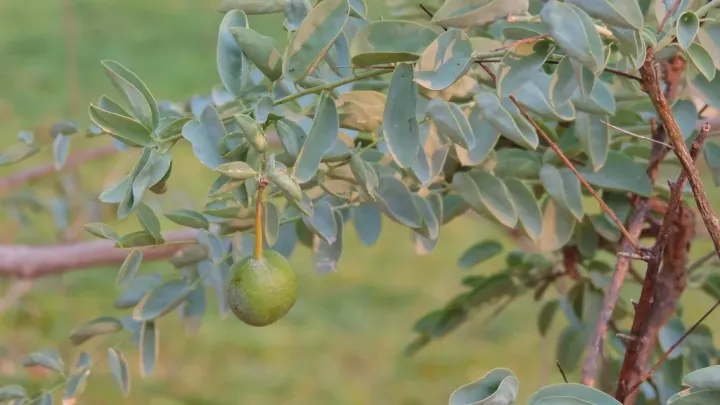
Description
Growing requirements
Maerua kirkii is a member of the Capparaceae family. It is a perennial woody shrub or a small tree capable of thriving in the harsh conditions characteristic of semi-arid zones.
In its natural habitat, the plant is primarily found in tropical and subtropical regions of Africa, including Kenya, Tanzania, and neighboring territories. It is perfectly adapted to arid landscapes and savannas.
The crop prefers well-drained, often rocky or sandy soils. It demonstrates high tolerance to prolonged drought periods and intense solar radiation.
For optimal development, the plant requires high ambient temperatures typical of equatorial and subequatorial climates. It does not tolerate waterlogging of the root system or prolonged water stagnation.
From an agrotechnical perspective, Maerua kirkii is considered a promising species for restoring degraded lands and preventing soil erosion in arid regions.
Yield
The primary agricultural value of the species lies in utilizing its green biomass as a fodder resource for livestock during the dry season. The leaves and young shoots are known for maintaining nutritional value when other vegetation is scarce.
Biomass yield depends heavily on the level of seasonal precipitation and general soil fertility. Despite slow growth, the plant provides stable shoot production in environments where other crops would fail.
The fruits may be consumed by local populations in certain regions, although their use is limited by cultural practices. Seeds may contain specific secondary metabolites that require further study prior to large-scale adoption.
The economic efficiency of cultivation is evaluated through agroforestry practices. Using Maerua kirkii as live fencing allows for simultaneous fodder production and protection of crops against wind damage.
The species holds potential for breeding programs aimed at increasing green biomass productivity under extremely hot growing conditions.
Main diseases and pests
The main threats to the plant include phytophagous insects characteristic of its range, such as various species of Orthoptera and caterpillars that damage the leaf tissue.
Fungal infections occur very rarely and are typically associated with abnormally high air humidity, which is uncharacteristic of the species' natural habitat.
Overgrazing by livestock in wild populations is a significant limiting factor that hinders natural regeneration in certain parts of its distribution area.
Competition with invasive plant species can suppress the growth of young seedlings during the initial developmental stages, necessitating weeding in plantation settings.
Soil salinity exceeding critical thresholds can also negatively affect physiological processes and reduce the overall vitality of the shrub.