
Maerua rosmarinoides
Maerua rosmarinoides
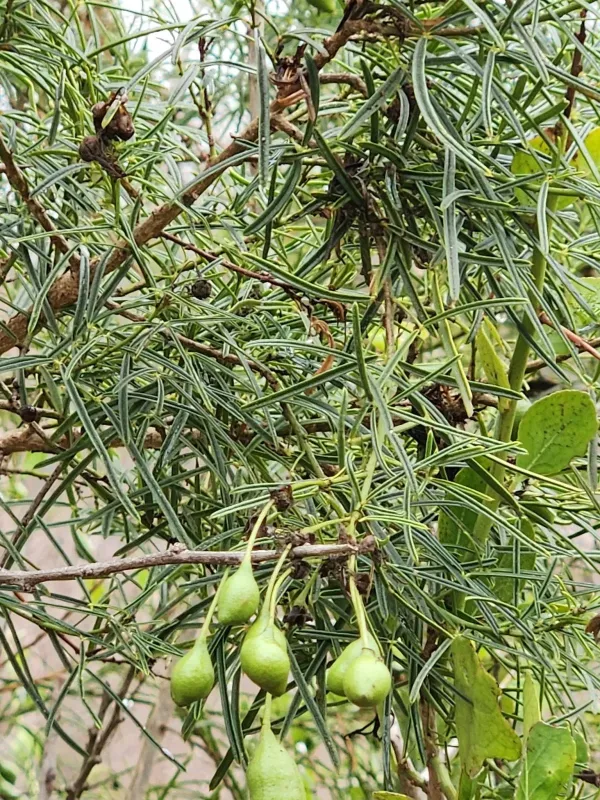
Description
Growing requirements
Maerua rosmarinoides is a distinctive shrub belonging to the Capparaceae family, primarily native to arid environments. Its name derives from the morphological similarity of its foliage to rosemary, which helps the plant reduce water loss through transpiration.
The plant thrives in regions with intense sunlight and requires well-drained, porous soils to flourish. It is highly adapted to sandy, rocky, and low-nutrient substrates, where it demonstrates remarkable resilience against environmental stress.
In terms of climate, Maerua rosmarinoides is a true xerophyte, capable of enduring prolonged droughts. It performs best in hot, dry environments where it can utilize its deep taproot system to access moisture from significant depths.
Agricultural management for this species is relatively low-maintenance once the plant is established. It is well-suited for reforestation projects and environmental conservation in arid zones due to its ability to prevent soil erosion and improve habitat structure.
To optimize growth, site selection should prioritize areas with minimal frost risk and excellent drainage. Excessive soil moisture is the primary factor that restricts the successful cultivation of this species outside its native range.
Main diseases and pests
The most significant threat to the health of Maerua rosmarinoides is root rot, induced by waterlogging. Poor soil drainage or frequent, heavy irrigation significantly increases the risk of soil-borne pathogens infecting the root system.
Pest management should focus on common sap-sucking insects like spider mites, which can proliferate during extreme heatwaves. Implementing proper spacing between individual plants is essential to ensure adequate airflow and reduce the humidity levels that favor pests.
Foliar diseases, such as leaf spot, can occur in poorly ventilated environments or during periods of high humidity. Regular sanitation and removal of damaged or dead branches are standard practices to maintain plant hygiene and prevent the spread of infections.
Young plants are particularly vulnerable to herbivory by local wildlife and livestock. Protective measures, such as fencing or tree guards, are necessary in the early years of plantation development to prevent catastrophic damage to the apical buds.
Chemical intervention should be used cautiously, prioritizing biological control measures when possible. The key to mitigating threats lies in replicating the plant’s natural environmental conditions, which naturally discourages most major pests and diseases.