
Maerua aethiopica
Maerua aethiopica
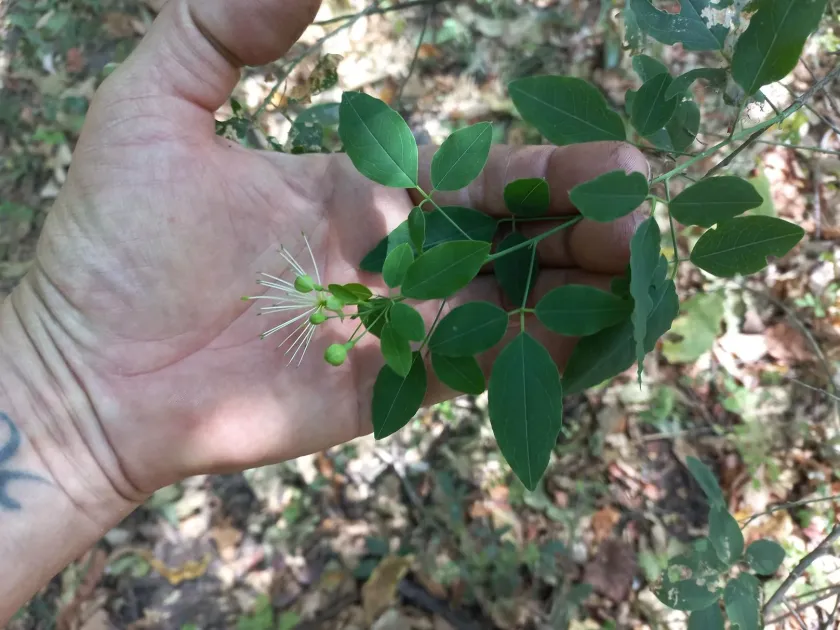
Description
Growing requirements
Maerua aethiopica is a perennial woody shrub or small tree belonging to the Capparaceae family. In its natural habitat, it has adapted to the harsh conditions of tropical savannas and semi-arid landscapes.
The plant exhibits exceptional tolerance to moisture stress, making it a promising candidate for cultivation in regions with extreme arid climates. It prefers well-drained sandy or stony soils and does not tolerate waterlogging in the root zone.
Optimal conditions for active vegetative growth include intense sunlight and high annual air temperatures. The species is highly sensitive to frost, which limits its cultivation area strictly to the tropical belts of Africa.
The plant possesses a robust and deep-reaching root system, enabling it to access moisture from deep soil layers during prolonged droughts. This biological trait makes it an important component for mitigating land degradation and soil erosion.
Its leaves have a leathery structure that prevents excessive transpiration. The plant is capable of maintaining green foliage even in the absence of rainfall, which is critical for sustaining pasture productivity.
Yield
The primary agricultural use of Maerua aethiopica is the production of biomass for fodder. In areas of intensive grazing, this plant is valued as a reliable source of protein for camels, goats, and cattle.
In local traditional practices, various parts of the plant are utilized due to the presence of bioactive compounds in its tissues. Both fruits and leaves can serve as supplementary feed resources during critical dry seasons.
The plant's biomass ensures a stable supply of dry matter even without irrigation. This makes Maerua a strategically important reserve for farming operations in regions where alternative fodder crops are unavailable.
Yields of green biomass are directly proportional to planting density and the regularity of pruning, which stimulates the growth of young shoots. Effective management of harvesting regimes allows for sustained long-term productivity.
The plant also holds agricultural importance for its ability to create a microclimate for other herbaceous species, contributing to increased biodiversity and productivity within agroecosystems.
Main diseases and pests
Maerua aethiopica demonstrates significant resistance to most common agricultural pests, thanks to the specific chemical composition of its leaves, which contain alkaloids and other defensive secondary metabolites.
However, under conditions of excessive humidity, the root system can be susceptible to fungal pathogens that cause root rot. The primary preventive measure is ensuring adequate soil drainage at the planting site.
Overgrazing poses a serious threat to young seedlings, which may lead to total defoliation and plant mortality before the stem lignifies. Fencing off young plantations is a mandatory requirement of agricultural practice.
Phytophagous insects rarely cause critical damage to Maerua populations; however, if the agro-ecological balance is disrupted, outbreaks of specific local pest species may occur.
The natural hardiness of the plant allows for minimal use of chemical pesticides, making this crop a viable choice for environmentally sustainable and organic farming systems.