
Resurrection lily
Lycoris squamigera
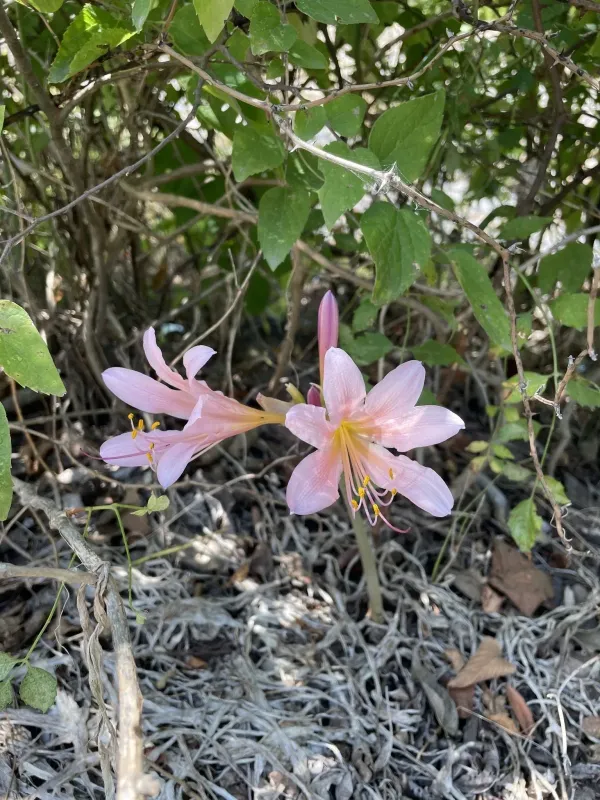
Description
Sowing dates
Lycoris squamigera, a member of the Amaryllidaceae family, is a bulbous perennial that requires specific planting timing. The ideal period for planting bulbs is during their dormant phase, which occurs in late summer or early autumn.
The bulbs should be planted at a depth of approximately 10 to 15 centimeters. Ensuring proper planting depth helps the bulb establish a strong root system while protecting it from surface temperature fluctuations during the dormant winter months.
Spacing is crucial for the long-term health of the clump. Bulbs should be set about 25 to 30 centimeters apart to prevent competition for nutrients and to allow sufficient space for the rapid production of offsets (baby bulbs) over time.
Soil preparation is essential for successful establishment. If the soil is heavy or prone to waterlogging, it is recommended to mix in sand or perlite to improve drainage around the base of the bulb, as standing water will cause rapid decay.
After planting, mark the location carefully. Because this species has a unique cycle where the foliage appears in spring and vanishes before the flower stalks emerge in late summer, it is easy to accidentally disturb the bulbs during seasonal gardening work.
Growing requirements
This species thrives in areas with partial shade and protection from the intense heat of the afternoon sun. It naturally occurs in forest margins, so providing dappled light is the closest mimicry to its native habitat in East Asia.
Soil requirements for the Resurrection lily include a nutrient-rich, loose, and well-draining medium. A neutral or slightly acidic pH is preferred, as this allows for optimal nutrient uptake through the bulb's root structure.
Climate adaptability is one of the strengths of this plant, but winter protection is advised in colder zones. A thick layer of mulch, such as dry leaves or pine needles, will act as insulation to prevent the ground from freezing too deeply.
Water management is highly dependent on the plant's growth stage. Regular watering is needed during the spring foliage growth period and just before the emergence of the flower spikes in late summer, whereas the summer period requires dry soil.
Fertilization should be handled with care. A balanced fertilizer applied early in the growing season is beneficial, but one should avoid high-nitrogen formulas late in the season to prevent weak, succulent growth that may be damaged by early frosts.
Main diseases and pests
The Narcissus bulb fly represents the most significant pest threat to this crop. The larvae burrow into the bulb, consuming the internal tissues and severely compromising the plant’s ability to bloom or even survive the following season.
Basal rot is a common fungal challenge, usually triggered by poor drainage or overwatering during the dormant period. Once the infection reaches the bulb scales, it spreads quickly, necessitating immediate removal and soil sanitation.
Slugs and snails can become problematic during wet spring weather, feeding on the tender emerging foliage. Implementing physical barriers like copper tape or using iron phosphate-based baits can protect the leaves from significant damage.
Thrips may infest the flowering stalks, causing deformation and silvery streaks on the petals. Monitoring the stalks as they emerge and using horticultural soap or appropriate systemic insecticides can mitigate this issue before it ruins the display.
General hygiene practices, including the removal of dead foliage after it yellows and the maintenance of good air circulation around the clumps, serve as the primary defense against most biological threats to this plant.