
Lycoris hybrids
Lycoris hybrids
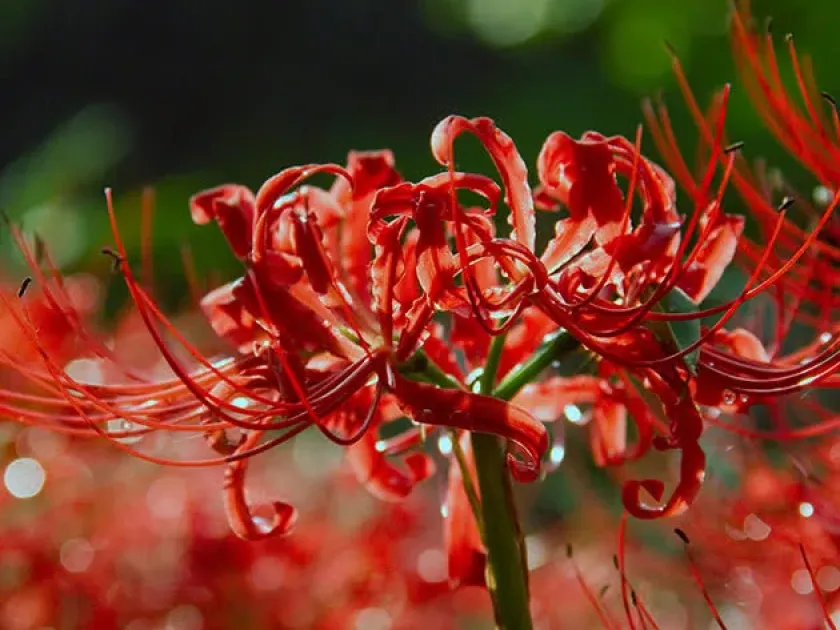
Description
Sowing dates
Lycoris hybrids are bulbous perennial plants belonging to the Amaryllidaceae family. The optimal time for planting these bulbs is during their dormancy phase, which typically occurs in late summer or early autumn, just before the roots begin their active growth.
Bulbs should be planted at a depth of approximately 10–15 centimeters. It is crucial to maintain a spacing of at least 20–25 centimeters between bulbs to ensure adequate airflow and room for the developing root system and offsets.
When selecting a planting site, gardeners should account for the unique lifecycle of the plant, where foliage often emerges independently of the floral display. Marking the planting area is essential to prevent accidental damage during soil cultivation.
The planting hole should be enriched with organic matter, but it must have excellent drainage characteristics. Placing a layer of sand at the base of the hole can significantly improve drainage and prevent rot in heavier soils.
Vegetative propagation is the standard method for multiplying these plants. By carefully separating the daughter bulbs from the main clump every few years, gardeners can easily increase their stock without compromising the health of the parent plant.
Growing requirements
Lycoris hybrids thrive in fertile, well-draining soils with a slightly acidic to neutral pH level. They are particularly sensitive to waterlogged conditions, which can lead to bulb decay and plant death within a single season.
These plants require a location that provides plenty of sunlight, though they can tolerate partial shade, especially in areas with very intense afternoon heat. Adequate light exposure is necessary to store enough energy for the next year's bloom.
Watering requirements vary significantly throughout the year. The soil should be kept moderately moist during the foliage growth phase but should be allowed to remain relatively dry during the dormant periods of the bulb.
In colder climates, winter protection is necessary. Applying a thick layer of mulch, such as wood chips or straw, helps regulate soil temperature and protects the bulbs from extreme freezing during the winter months.
Regular but balanced fertilization is recommended. A phosphorus-rich fertilizer applied in the spring can help support bulb health, while excessive nitrogen should be avoided as it may promote foliage at the expense of flower production.
Main diseases and pests
The Narcissus bulb fly is the most significant pest for Lycoris hybrids. Its larvae bore into the bulb, causing it to hollow out and die. Treating the bulbs with systemic insecticides prior to planting is a common preventive measure.
Fungal diseases, including Fusarium wilt and crown rot, are common threats when plants are grown in poor-draining soil. Improving soil structure and ensuring consistent drainage are the best ways to prevent these infections.
Thrips and spider mites can occasionally affect the foliage, particularly during hot and dry spells. Monitoring for discoloration or stippling on the leaves and using appropriate horticultural oils can manage these infestations effectively.
Slugs and snails can cause damage to the foliage, especially in spring. Using barriers or slug baits can help protect the plants, maintaining their ornamental appearance throughout the vegetative season.
Strict sanitation practices, such as removing infected plant tissue and ensuring adequate air circulation around the plants, are essential components of an integrated pest management strategy for this crop.