
Golden spider lily
Lycoris aurea
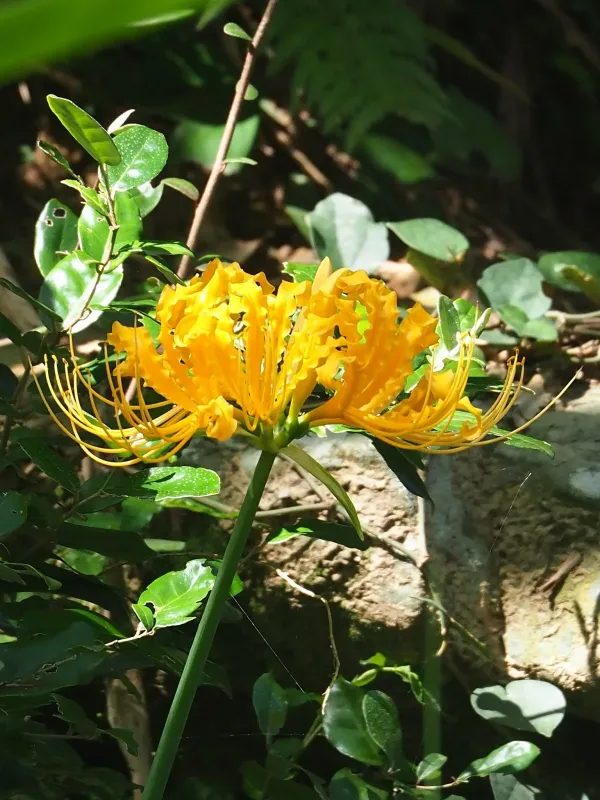
Description
Sowing dates
The planting of the Golden spider lily typically occurs in late summer or early autumn when the plant enters its biological dormancy phase. Ensuring bulbs are planted before the arrival of cold soil is vital for successful establishment.
Bulbs should be buried at a depth of 10 to 15 centimeters, with the neck of the bulb remaining at or slightly above the soil surface. This positioning is essential to prevent rot and encourage healthy root development.
Spacing between individual plants should be maintained at 20–25 centimeters to allow for optimal air circulation and space for bulb expansion over the coming years.
Dividing clusters is recommended every 4 to 5 years after the foliage has withered. This practice maintains the vigor of the plant and prevents overcrowding in the garden bed.
Pre-treatment of bulbs with a systemic fungicide before planting is a common agronomic practice to protect them against soil-borne pathogens that thrive in moist environments.
Growing requirements
Lycoris aurea is a member of the Amaryllidaceae family, native to the temperate and subtropical regions of Eastern Asia. It thrives best in well-drained, sandy loam soils with a neutral pH balance.
While the plant enjoys sunlight, it prefers light shade during the hottest parts of the day to prevent leaf scorch and maintain moisture levels within the bulb structure.
Watering requirements are moderate; the plant requires consistent moisture during the growing season but is highly intolerant of waterlogged soil, which leads to immediate decay of the bulb base.
In colder regions, winter protection is necessary. Applying a thick layer of mulch helps insulate the bulbs from severe freezing, ensuring survival until the next blooming cycle in autumn.
The unique biological cycle of the Golden spider lily, where the flower stalk emerges before the foliage, requires specific attention to soil fertility to support the rapid development of the inflorescence.
Main diseases and pests
The primary pests affecting Lycoris aurea include the narcissus bulb fly and aphids. Early detection is key to preventing widespread damage to the underground bulbs or foliage.
Fungal infections such as Fusarium wilt and basal rot are common, particularly when soil drainage is insufficient. Symptoms include stunted growth and soft, decaying tissues near the root zone.
Integrated pest management, including crop rotation and the use of clean planting stock, significantly reduces the risk of long-term soil contamination by pathogens.
Viral mosaic diseases, which cause mottled foliage, are irreversible. Affected plants must be removed and discarded promptly to protect the integrity of the remaining collection.
- Maintain proper drainage in the beds.
- Monitor for aphid infestations regularly.
- Apply mulch during winter months.
- Divide plants to prevent crowding.