
Lycoris sanguinea
Lycoris sanguinea
Description
Sowing dates
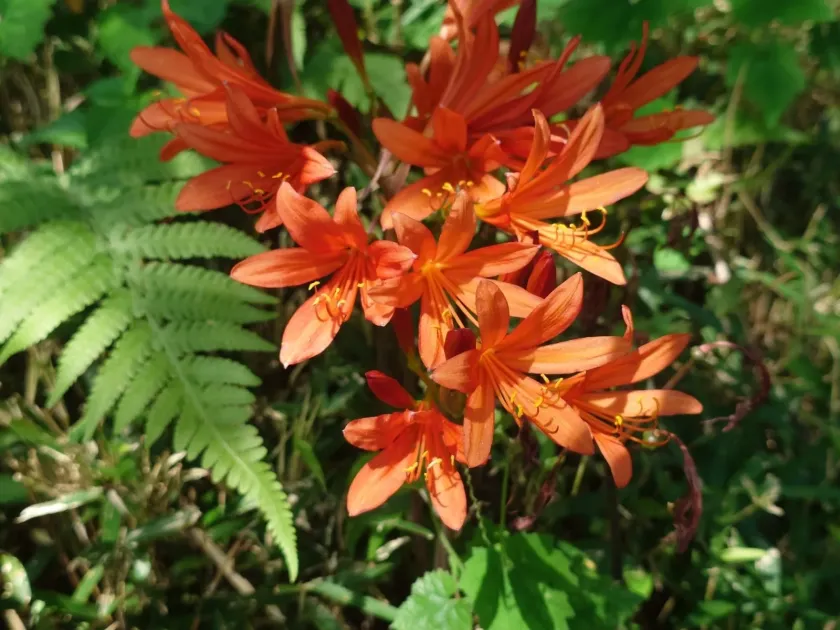
Lycoris sanguinea, commonly known as the orange spider lily, is a captivating member of the Amaryllidaceae family. Native to Japan and Korea, this species is highly valued for its striking autumnal blooms.
The plant follows a unique phenological cycle where foliage appears in early spring, remains until early summer, and then dies back completely before the flowering stalks emerge in late summer or early autumn.
Propagation is primarily achieved through offsets or daughter bulbs. The ideal time for division and planting is during the dormant season, which typically occurs after the foliage has withered and before the emergence of new growth.
When planting, bulbs should be set at a depth of 10–15 cm in well-worked, fertile soil. Providing adequate spacing (20–25 cm) ensures that the developing clumps have enough resources and airflow for healthy expansion.
Choosing the correct site is crucial: the plant thrives in areas with partial shade. While it can tolerate some sun, protecting it from intense midday heat helps preserve soil moisture and prevents foliage desiccation.
Growing requirements
Lycoris sanguinea prefers sandy or loamy soils that are rich in organic matter. A neutral to slightly acidic pH is ideal for nutrient uptake, ensuring strong development of the bulbs.
Drainage is the most important agronomic factor for this species. Soils that hold excessive moisture during the dormant period will almost inevitably lead to bulb rot; therefore, raised beds or sandy amendments are recommended.
The climate requirements are relatively modest, as the species is adapted to temperate conditions. However, in colder zones, a thick layer of mulch (straw, bark, or compost) is necessary to insulate the soil from deep freezes.
Irrigation practices should be synchronized with the plant’s biological rhythm. Regular watering is beneficial during the spring foliage development phase, while the soil should remain relatively dry throughout the summer dormancy.
Annual fertilization with a balanced NPK fertilizer during the spring growth phase provides the essential nutrients for bulb energy storage. Avoid excessive nitrogen, which can lead to foliage growth at the expense of floral initiation.
Main diseases and pests
Fungal diseases are the primary threat, particularly bulb and root rot, which are triggered by poor drainage or excessive soil moisture. Proper aeration and the removal of standing water are the best preventive measures.
Pests such as the narcissus bulb fly can be highly destructive, as the larvae feed on the interior of the bulbs. Regular inspection of bulbs prior to planting and the use of insecticidal dips can mitigate infestation risks.
Thrips may occasionally affect the foliage, causing discoloration and stunting. Keeping the planting area free of debris and utilizing integrated pest management strategies helps keep pest populations under control.
Botrytis or other foliage blights can occur in humid, stagnant conditions. Improving plant spacing to increase air circulation is a simple yet effective technique to reduce the incidence of such diseases.
If rot is detected, infected bulbs must be removed immediately to prevent spread through the root system. Soil solarization or treatment with systemic fungicides may be necessary in severe cases of site contamination.