
Lycoris radiata
Lycoris radiata
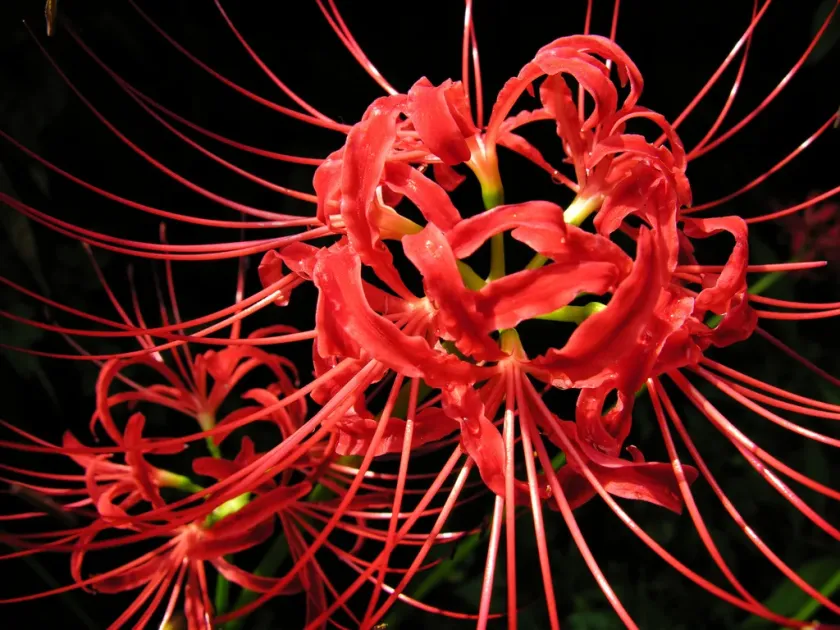
Description
Sowing dates
Planting Lycoris radiata bulbs is most successful when performed during their dormancy period, typically in late summer or early autumn. This timing allows the bulbs to establish their root system before the onset of winter.
Select a location with well-draining soil, as waterlogged conditions are the primary cause of bulb failure. Plant the bulbs at a depth of 10–15 centimeters, ensuring a spacing of at least 25–30 centimeters to allow for natural bulb division over the coming years.
As a member of the Amaryllidaceae family, this plant exhibits a unique lifecycle where the flowers emerge on leafless stalks before the foliage appears later in the season.
Native to East Asia, specifically China, Korea, and Japan, the plant is historically cultivated along agricultural field boundaries for its protective properties against burrowing rodents.
Commercial propagation is achieved primarily through vegetative division of the offset bulbs during the dormant phase, as growing from seeds is a slow and inconsistent process.
Growing requirements
Lycoris radiata thrives in environments with partial shade and moderate protection from harsh midday sun. While it can adapt to various light conditions, consistent growth is best achieved in dappled light.
The ideal soil is a loose, sandy loam with a neutral to slightly acidic pH. Incorporating organic matter into the soil helps improve fertility and structure, which is vital for vigorous flowering.
The plant is hardy in temperate climates but requires protective mulching in regions where soil freezing is severe. Ensuring the planting site is raised or sloped significantly improves the survival rate during wet winters.
Irrigation should be carefully managed: provide water during the active growing season of the foliage, but allow the area to remain relatively dry during the dormant summer months to prevent rot.
Use balanced, slow-release fertilizers in early autumn when new leaf growth begins. Avoid high-nitrogen fertilizers during the blooming period to maintain the plant's structural integrity and health.
Main diseases and pests
The plant is naturally resistant to many pests due to the toxic alkaloids contained in its bulbs, which act as a natural deterrent. However, inappropriate soil management can invite specific fungal pathogens.
Fusarium basal rot is the most significant disease threat, occurring when moisture levels are excessive or drainage is inadequate. This condition leads to the rapid decay of the bulb's root plate.
Bulb mites and certain larvae of the narcissus fly are the most common pests. They feed on the interior tissues of the bulb, often introducing bacterial infections that cause systemic collapse.
Preventive measures include soaking bulbs in a fungicide solution before planting and ensuring the site remains free of stagnant water throughout the year.
If an infestation is detected, infected bulbs must be removed and destroyed immediately to prevent the spread of pathogens to healthy clusters in the vicinity.
Harvesting
Harvesting bulbs for relocation or division should only occur after the foliage has fully withered and turned brown, which marks the completion of the plant's yearly growth cycle.
Use gentle tools such as garden forks to lift the bulbs from the soil. Carefully remove excess earth and inspect the surfaces for any soft spots, lesions, or insect entry points.
After excavation, the bulbs require a brief drying period in a cool, shaded, and well-ventilated location to harden their outer scales before storage or replanting.
Store bulbs in breathable containers packed with slightly damp peat or sawdust. Keep the temperature stable between 10–12 degrees Celsius to maintain dormancy without risking desiccation.
Due to the toxicity of the plant, all harvest and handling activities should be performed using gloves, and the plant material should never be stored near food products or fodder.