
Lycopodium volubile
Lycopodium volubile
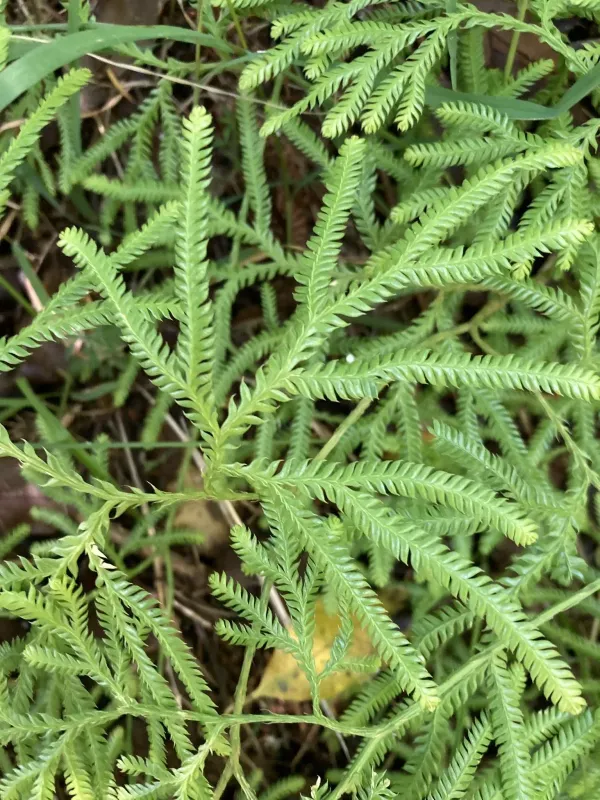
Description
Growing requirements
Lycopodium volubile is a distinct species belonging to the Lycopodiaceae family. Known as a climbing or trailing clubmoss, it is characterized by its long, flexible stems that exhibit a unique, vine-like growth pattern, distinguishing it from other terrestrial species in its family.
The plant originates from diverse regions across the Southern Hemisphere, primarily found in New Zealand, Australia, and various islands within the Pacific and Southeast Asian regions. It typically inhabits moist, shaded forest floors, thriving in environments with high humidity and stable temperatures.
In terms of cultivation requirements, Lycopodium volubile demands a well-draining, acidic growing medium, such as a mixture of peat moss and perlite or specialized forest soil. Providing consistent moisture is critical, as the plant is highly susceptible to dehydration if the substrate dries out completely.
Climate control is essential for maintaining the health of this species. It prefers cool to moderate temperatures and high humidity levels, often performing best in greenhouses, terrariums, or protected outdoor areas where it is shielded from harsh, direct sunlight and drying winds.
Botanically, it is a vascular spore-bearing plant. Its foliage consists of small, scale-like leaves arranged in a way that allows it to effectively absorb moisture from the surrounding atmosphere, which is a key adaptation for survival in the dense understory of its native habitats.
Main diseases and pests
The main threats to Lycopodium volubile include fungal pathogens such as root rot, which typically occurs due to poor drainage or stagnant water. Pests like fungus gnats or spider mites can also affect the plants, particularly in closed environments like terrariums where air circulation may be limited.
Harvesting
Its primary use is in the horticultural and botanical sectors. It is considered a premium plant for ornamental displays and specialized landscaping, particularly in regions where its specific ecological needs can be replicated effectively in controlled environments.